

Why is My Cat Balding? Reasons Your Cat Is Losing Hair
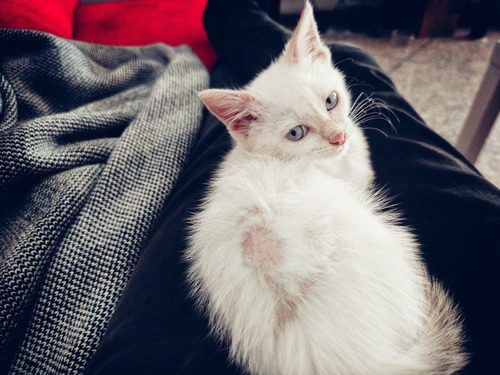
Seeing patches of missing fur on your cat can be unsettling. Cat balding, also called feline alopecia, occurs when your cat loses more hair than usual due to an underlying issue. Hair loss in cats can result from allergies, parasites, infections, hormonal imbalances, stress, or behavioral problems. While shedding is normal, noticeable bald spots or thinning fur usually indicate a deeper concern that needs veterinary attention. If you’ve noticed your cat’s coat changing, Countryside Animal Hospital in Covington, GA, can help identify what’s going on and restore your cat’s comfort and coat health.
Common Causes of Cat Balding
Cats can lose fur for several reasons, ranging from medical conditions to environmental stressors. Pinpointing the cause of cat balding starts with a close look at your pet’s habits, skin condition, and recent changes in their environment. Below are the most frequent causes veterinarians see when evaluating hair loss in cats.
Allergies and Skin Sensitivities
Allergies are one of the most common causes of cat balding. Cats can develop allergic reactions to their food, flea bites, pollen, dust, or cleaning products in your home. When this happens, they often over-groom the itchy area, leading to thinning fur or bald patches.
Flea Allergy Dermatitis
Even one flea bite can trigger a severe allergic reaction in sensitive cats. Flea saliva causes itching and irritation, prompting cats to lick, scratch, or bite themselves excessively. This can lead to hair loss on the lower back, tail base, or inner thighs.
Food and Environmental Allergies
Cats can also react to specific ingredients in their diet, such as beef, chicken, or fish, as well as environmental allergens like mold or pollen. Persistent itching, red skin, or hair loss can be signs of an allergic response. Your veterinarian can perform allergy testing or recommend an elimination diet to find the root cause.
Parasites and Skin Infections
Parasites and skin infections are another leading cause of cat balding. These conditions irritate the skin and cause your cat to scratch or groom excessively.
Mites and Mange
Certain mites, such as Demodex or Notoedres, burrow into the skin and cause intense itching, inflammation, and patchy hair loss. Mange can lead to scaly, red areas, especially around the ears, neck, and face.
Ringworm
Ringworm is a fungal infection, not a parasite, but it’s highly contagious and a frequent cause of hair loss. Cats with ringworm often have circular bald patches with crusty or scaly edges. This condition can spread to humans and other pets, so veterinary care is essential for diagnosis and treatment.
Fungal and Bacterial Infections
Moisture, wounds, or underlying skin problems can allow bacteria or fungi to grow, leading to irritation and fur loss. Infections often cause the skin to appear red, flaky, or scabbed.
Hormonal and Endocrine Disorders
Changes in hormone levels can disrupt your cat’s normal hair growth cycle, resulting in bald spots or thinning fur. These conditions usually develop gradually and may accompany other symptoms.
Hyperthyroidism
Hyperthyroidism, a common condition in older cats, causes the thyroid gland to produce too much hormone. This speeds up metabolism, often leading to weight loss, restlessness, and thinning fur or bald areas.
Cushing’s Disease and Other Hormonal Imbalances
Cushing’s disease occurs when the body produces too much cortisol, weakening the skin and making it more prone to hair loss. Other endocrine disorders, such as diabetes or reproductive hormone imbalances, can also affect the coat’s thickness and texture.
Stress and Behavioral Overgrooming
Stress can play a significant role in cat balding. Cats are sensitive to changes in their environment, and emotional distress can cause them to groom excessively as a coping mechanism.
Psychogenic Alopecia
Psychogenic alopecia refers to hair loss caused by compulsive grooming rather than a physical illness. Common triggers include moving homes, introducing a new pet, or changes in routine. Over time, repeated licking can damage the skin and prevent fur from regrowing.
Identifying Stress Triggers
Watch for patterns in your cat’s behavior. Do they groom more when guests visit, during loud noises, or when left alone? Identifying stressors and providing enrichment such as interactive toys, vertical spaces, and quiet resting spots can help reduce anxiety-related grooming.
Pain or Discomfort
Sometimes, cat balding occurs when your cat grooms a specific area to soothe discomfort. This can happen with joint pain, urinary tract problems, or internal discomfort. Cats instinctively focus on the area causing them pain, even if it’s unrelated to the skin. If your cat repeatedly licks or chews one spot, especially around the abdomen or hindquarters, it may indicate an internal issue that requires veterinary evaluation.
Seasonal Shedding vs. Abnormal Hair Loss
Not all hair loss is cause for concern. Cats naturally shed their coats throughout the year, especially during seasonal changes. However, there’s a difference between normal shedding and cat balding that requires medical attention.
Normal Shedding
Healthy shedding occurs evenly across the body, and new fur quickly grows back. You’ll likely notice more hair on your furniture or in your cat’s brush, but no visible bald spots.
Abnormal Hair Loss
Bald patches, thinning fur, redness, scabs, or excessive grooming are all signs that your cat may be experiencing abnormal hair loss. If your cat’s coat isn’t growing back normally or you notice irritated skin, it’s time to schedule a veterinary exam.
One of the first clues that a cat is overgrooming is an increase in hairballs. While grooming is a normal feline behavior, excessive grooming can be a sign of an underlying problem, including allergies, parasites, skin infections, pain, stress, or other medical conditions. Identifying and treating the underlying cause is the key to helping your cat feel more comfortable and preventing further skin and coat damage.
How Countryside Animal Hospital Diagnoses Cat Balding
When you bring your cat to Countryside Animal Hospital for hair loss, our team performs a detailed examination to find the underlying cause. Diagnosis often involves reviewing your cat’s medical history, inspecting their skin and coat, and performing diagnostic tests.
Common Diagnostic Tests
- Skin Scraping or Cytology: Helps detect mites and a variety of infections, such as yeast.
- Fungal Culture: Used to confirm or rule out ringworm.
- Allergy Testing: Identifies specific allergens affecting your cat.
- Blood Tests: Check hormone levels for thyroid or adrenal gland disorders.
Identifying the root cause allows your veterinarian to create a targeted care plan and discuss next steps for your cat’s comfort and coat recovery.
When Is It Time to Contact Your Veterinarian?
If you notice bald patches, scabs, persistent scratching, or your cat seems uncomfortable, schedule an appointment as soon as possible. Hair loss rarely resolves on its own and can worsen if left untreated. A professional evaluation can prevent secondary infections and help your cat feel better faster. Our team at Countryside Animal Hospital in Covington, GA, is experienced in diagnosing and addressing the causes of cat balding. To schedule your cat’s appointment, call (770) 788-7387 or request an appointment online.
Helping Your Cat Feel Comfortable Again
Cat balding can stem from various health or behavioral issues, but with proper veterinary care, most cats recover well. Early evaluation ensures that underlying conditions such as allergies, infections, or stress are addressed promptly. With professional guidance, you can help your cat regain a healthy coat and feel more comfortable. If you’ve noticed thinning fur or bald spots, contact Countryside Animal Hospital in Covington, GA, today at (770) 788-7387 or book an appointment online to get your cat back to looking and feeling their best.
Recent Posts
About Us
Get expert pet care tips, health insights, and heartwarming stories from the Countryside Animal Hospital blog. We love helping pets live happier, healthier lives!