

Excessive Thirst in Dogs, What Does This Mean
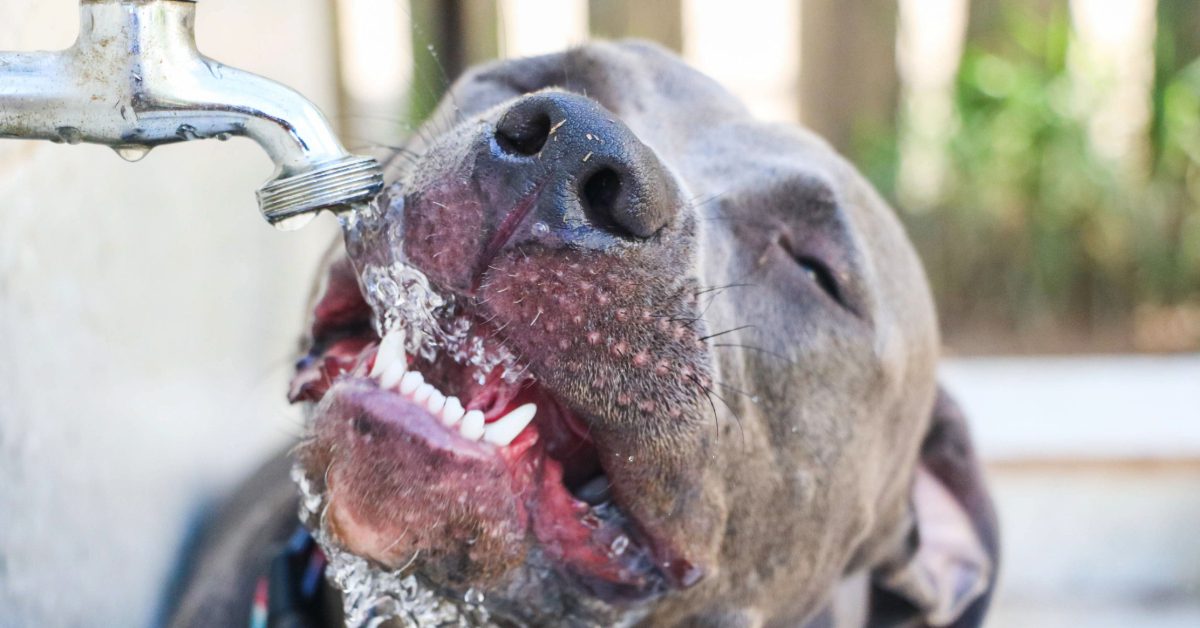
Excessive thirst in dogs, medically known as polydipsia, means your dog is drinking noticeably more water than usual on a consistent basis, and it’s a symptom that almost always points to an underlying cause worth investigating carefully rather than ignoring. While it’s normal for water intake to increase on hot days or after strenuous exercise sessions, excessive thirst in dogs that persists over time is different and often signals a change in your dog’s health that shouldn’t be ignored or dismissed as nothing serious. At Countryside Animal Hospital in Covington, GA, we regularly help pet owners get to the bottom of excessive thirst in dogs, since identifying the underlying cause early often leads to significantly better outcomes for the dog overall and a smoother path to recovery.
What Counts as Normal Water Intake
Understanding what’s considered normal versus excessive helps set the stage for spotting a genuine problem early on. Body size, breed, and even individual personality traits can all influence how much a given dog drinks on an average day, which is why comparing your dog to their own typical baseline is often more useful than comparing them to other dogs entirely, since every dog is a little different from the next. Most healthy dogs drink approximately one ounce of water per pound of their body weight each day, though this amount can vary quite a bit based on activity level, diet, and current weather conditions outside. Excessive thirst in dogs is generally considered a noticeable and sustained increase beyond this typical, expected range, rather than a single thirsty afternoon after a long walk or a particularly active hike outdoors.
Tracking Your Dog’s Water Intake
Tracking your dog’s water intake over a few consecutive days can help you determine whether what you’re seeing is truly excessive thirst in dogs or simply normal, expected variation tied to weather or activity levels. A simple way to track this is to note how many times you refill the bowl each day for about a week, then compare that count against what’s typical for your household. Keeping a quick daily tally on your phone or a notepad makes the pattern much easier to spot than relying on memory alone.
Signs that may indicate excessive thirst in dogs worth monitoring closely on a daily basis include:
- Refilling the water bowl noticeably more often than usual throughout the day
- Drinking from unusual sources like the toilet, sink, or outdoor puddles
- Increased urination frequency or accidents in previously house-trained dogs
- Waking during the night specifically to drink water rather than sleeping through until morning
Common Medical Causes
Diabetes Mellitus
Several distinct medical conditions are commonly associated with excessive thirst in dogs, and diabetes mellitus is among the most frequently diagnosed causes veterinarians encounter in general practice. When a dog’s body can’t properly regulate blood sugar levels, excess glucose in the bloodstream pulls water from tissues and increases urination, which in turn drives increased thirst as the body attempts to stay adequately hydrated throughout the day and night.
Kidney Disease
Kidney disease is another leading and quite common cause of excessive thirst in dogs, particularly in older dogs whose kidneys gradually lose their ability to concentrate urine effectively over time and with age. As kidney function gradually declines over time, dogs need to drink more water to compensate for their reduced ability to retain fluid properly, which creates an ongoing cycle of increased thirst and increased urination that can be difficult to reverse without appropriate management and dietary changes recommended by a veterinarian.
Cushing’s Disease
Cushing’s disease, a condition involving excess cortisol production from the adrenal glands, frequently causes excessive thirst in dogs alongside other symptoms like increased appetite, noticeable hair loss, and a distinctive pot-bellied appearance that develops gradually. Because cortisol affects numerous body systems throughout the body, dogs with Cushing’s disease often show a combination of symptoms that, together, help point toward this specific and identifiable diagnosis for veterinarians to confirm.
A few less common but still important medical causes of excessive thirst in dogs round out the list veterinarians consider during a thorough workup:
- Liver disease, which can affect fluid balance throughout the entire body and organs
- Certain medications, such as steroids or diuretics prescribed for other unrelated conditions
Non-Medical and Environmental Causes
Diet and Weather
While medical causes are quite common, excessive thirst in dogs can occasionally stem from less serious factors worth ruling out first before assuming the worst has happened. A recent diet change, particularly a switch to dry food from wet food, can naturally increase overall water consumption since dry kibble contains significantly less inherent moisture than canned alternatives that dogs are commonly used to eating.
Hot weather, increased exercise, or an occasional salty treat can also temporarily increase a dog’s thirst without necessarily indicating any underlying health problem worth worrying about right away. However, if excessive thirst in dogs persists well beyond an obvious environmental explanation, or continues even after ruling out simple causes like these on your own, a veterinary evaluation becomes increasingly important and shouldn’t be delayed unnecessarily.
Medication Side Effects
Certain medications can also be responsible for excessive thirst in dogs, since drugs like corticosteroids and some diuretics are known to increase both thirst and urination as a fairly common and well-documented side effect. If your dog recently started a new medication and you’ve noticed a corresponding increase in overall water consumption around the same time, mentioning this to your veterinarian can help clarify whether the medication itself is the likely cause of the change you’re seeing.
Getting an Accurate Diagnosis
Because excessive thirst in dogs can stem from so many genuinely different underlying conditions, a proper veterinary evaluation is essential for reaching an accurate diagnosis and an appropriate treatment plan tailored specifically to your dog’s needs. Your veterinarian will typically start with a thorough physical examination and a detailed history taken directly from you, including when the increased thirst first began and whether any other symptoms have accompanied it over the past several weeks or months.
Bloodwork and Follow-Up Testing
Bloodwork and urinalysis testing are commonly used by veterinarians to evaluate kidney function, blood sugar levels, and other key markers that can point toward specific underlying conditions affecting your dog’s overall health and wellbeing. Depending on the initial results of these tests, additional testing such as imaging or specialized hormone testing may be recommended by your vet to reach a definitive diagnosis and guide the most appropriate treatment approach going forward for your pet’s specific situation.
Excessive Thirst in Dogs: Is It Time to Call the Vet?
Excessive thirst in dogs is a symptom that deserves genuine attention rather than dismissal, since it frequently signals an underlying condition that benefits significantly from early diagnosis and prompt, appropriate treatment. While occasional increased thirst tied to weather or activity is generally nothing to worry about, persistent or unexplained excessive thirst in dogs warrants a veterinary visit to determine the underlying cause and rule out anything serious. If you’ve noticed your dog drinking more than usual lately, our team at Countryside Animal Hospital in Covington, GA can help you find answers. Call us at (770) 788-7387 or book an appointment online today.
Recent Posts
About Us
Get expert pet care tips, health insights, and heartwarming stories from the Countryside Animal Hospital blog. We love helping pets live happier, healthier lives!