

Common Dog Allergies in Georgia and How They Can Be Treated
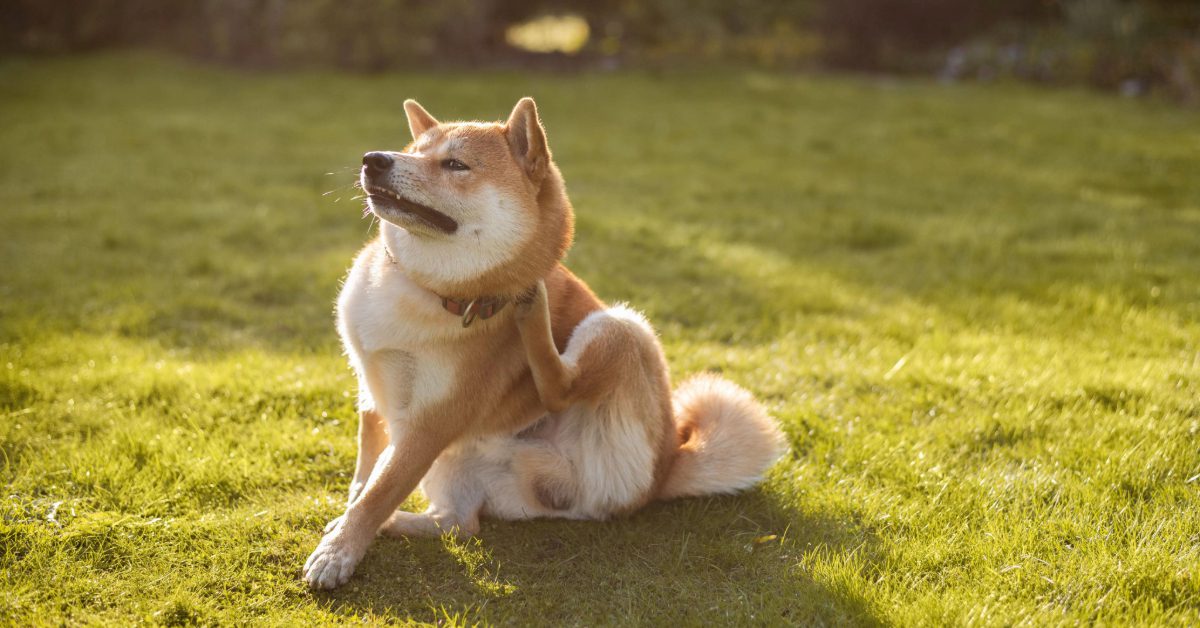
Dog allergies in Georgia are especially common due to the state’s long pollen seasons, high humidity, and year-round flea and tick activity, all of which create ideal conditions for allergic reactions in dogs. If your dog seems to be constantly itching, licking, or dealing with recurring skin and ear issues, allergies are often the underlying cause, particularly here in the Southeast where allergens tend to linger for much of the year. Understanding the most common types of dog allergies in Georgia, along with how they’re diagnosed and treated, can help you get your dog lasting relief. At Countryside Animal Hospital in Covington, GA, we see allergy-related visits year-round, and identifying the right cause makes all the difference in finding an effective treatment plan.
Types of Dog Allergies in Georgia
Georgia’s climate plays a significant role in shaping dog allergies in Georgia, since warm temperatures and high humidity extend allergy season far longer than in cooler, drier regions. While allergies generally fall into a few broad categories, environmental, food, and flea allergies, the specific triggers and severity often depend on where in the state a dog lives. Dogs in coastal or heavily wooded parts of the state may face different pollen exposure than those in more urban areas, which is part of why a personalized approach matters so much when addressing dog allergies in Georgia.
Environmental Allergies
Environmental allergies, also known as atopic dermatitis, are among the most frequently diagnosed dog allergies in Georgia. Common triggers include tree, grass, and weed pollens, along with mold spores and dust mites that thrive in humid conditions. Because Georgia’s growing season extends from early spring well into fall, dogs with environmental sensitivities often experience symptoms for a majority of the year rather than a short seasonal window. Some dogs also react to specific pollen types more strongly than others, which is why symptom patterns can vary noticeably from one dog to the next even within the same household.
Flea Allergy Dermatitis
Flea allergy dermatitis is another leading cause of dog allergies in Georgia, largely because the state’s mild winters rarely get cold enough to fully interrupt the flea life cycle. Even a single flea bite can trigger an intense allergic reaction in sensitive dogs, causing widespread itching, redness, and hair loss, particularly around the base of the tail and hindquarters, sometimes leading to secondary skin infections if left untreated.
Food Allergies
Food allergies are less common than environmental or flea-related triggers but still account for a meaningful share of dog allergies in Georgia. Unlike seasonal allergies, food-related reactions tend to occur consistently throughout the year and often involve gastrointestinal symptoms in addition to noticeable skin irritation.
Common categories of dog allergies in Georgia include:
- Environmental allergies from pollen, mold, and dust mites
- Flea allergy dermatitis triggered by flea bites and saliva
- Food allergies linked to specific proteins or ingredients
- Contact allergies from lawn chemicals, cleaning products, or certain fabrics
Signs and Symptoms to Watch For
Recognizing the signs of dog allergies in Georgia early makes treatment more effective and helps prevent secondary complications like skin infections. Symptoms can vary depending on the specific type of allergy involved, but several signs tend to show up consistently across most cases.
Skin and Coat Changes
Skin-related symptoms are typically the most noticeable, and they often include persistent itching, redness, and inflammation, especially around the paws, belly, ears, and face. Dogs may also develop hot spots, which are localized areas of irritated, moist skin that develop quickly and can worsen significantly without prompt treatment.
Ear Infections
Ear infections are another common indicator of dog allergies in Georgia, since allergic inflammation often affects the ear canal. Owners frequently notice head shaking, scratching at the ears, or a noticeable odor as early signs that something is wrong and warrants a closer look.
Additional symptoms to watch for include:
- Excessive licking or chewing at the paws
- Recurrent skin or ear infections despite previous treatment
- Watery eyes or sneezing during high-pollen periods
- Digestive upset such as vomiting or diarrhea, particularly with food allergies
Diagnosing and Treating Dog Allergies in Georgia
How Veterinarians Diagnose the Cause
Diagnosing dog allergies in Georgia typically starts with a thorough physical examination and a detailed history of when symptoms occur, how long they last, and whether certain seasons, foods, or environments seem to make things worse. Because they can react to multiple allergens which produce overlapping symptoms, ruling out other possible causes is an important part of reaching an accurate diagnosis, and this process often takes some patience since symptoms can look similar across very different underlying conditions. Sadly, there isn’t an easy way to confirm allergies. Due to the chronicity of the problem, allergies can be overwhelming to the owner and difficult to manage.
Depending on what your veterinarian observes, additional diagnostic steps may include skin scrapings or cytology to check for secondary infections, elimination diet trials to identify potential food triggers, and in some cases, referral for allergy testing to pinpoint specific environmental allergens. An accurate diagnosis is the foundation for effective, long-term management of dog allergies in Georgia, since treatment approaches differ significantly depending on the underlying cause, and guessing at a solution without a clear diagnosis often leads to frustration for both the dog and the owner.
Treatment Options Based on the Trigger
Treatment for dog allergies in Georgia is rarely one-size-fits-all, and the most effective plans are typically built around the specific triggers identified during diagnosis. For flea allergy dermatitis, consistent, year-round flea prevention is essential given Georgia’s mild winters, since even brief lapses in protection can lead to renewed symptoms and a frustrating cycle of flare-ups that’s difficult to break.
Environmental allergies are often managed through a combination of approaches, which may include medications to reduce itching and inflammation, regular bathing with medicated shampoos to remove allergens from the skin and coat, and in some cases, allergy testing followed by a customized treatment plan. For dogs with food allergies, a structured elimination diet under veterinary guidance helps identify the specific ingredient responsible, allowing for a long-term diet adjustment that avoids future flare-ups. Owners should avoid switching foods repeatedly on their own, since doing so without a structured process can actually make it much harder to pinpoint the true trigger.
Approaches commonly used to manage dog allergies in Georgia include:
- Year-round flea and tick prevention tailored to the dog’s needs
- Medicated shampoos or topical treatments to soothe irritated skin
- Prescription medications to reduce itching, inflammation, or secondary infection
- Dietary changes guided by veterinary recommendations
Managing Allergies as an Ongoing Condition
Because dog allergies in Georgia are often chronic rather than curable, ongoing management and regular veterinary follow-up play a central role in keeping symptoms under control over time. Many dogs do best on a maintenance plan that combines preventive care with periodic veterinary check-ins, allowing adjustments to be made before symptoms flare up again.
Getting Your Dog Lasting Relief
Dog allergies in Georgia are a common but manageable part of pet ownership in our region, and getting ahead of symptoms early can spare your dog months of discomfort. Whether the underlying cause turns out to be pollen, fleas, food, or something else entirely, a clear diagnosis paired with a consistent treatment plan gives your dog the best chance at lasting relief. Local pet owners are in good company, since allergy-related visits are among the most frequent reasons dogs are brought in for care throughout the Southeast. If your dog has been dealing with recurring itching, skin irritation, or ear infections, our team at Countryside Animal Hospital in Covington, GA is ready to help identify the cause and build a plan suited to your dog’s specific needs. Call us today at (770) 788-7387 or book an appointment online.
Recent Posts
About Us
Get expert pet care tips, health insights, and heartwarming stories from the Countryside Animal Hospital blog. We love helping pets live happier, healthier lives!