

Symptoms and Causes for FIV in Cats
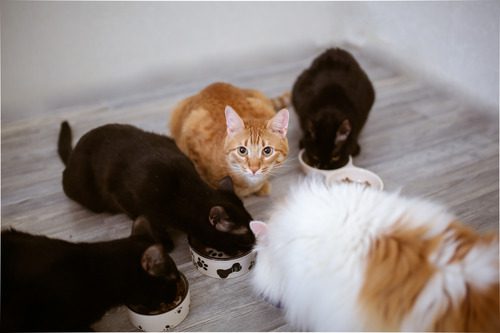
FIV in cats, or feline immunodeficiency virus, is a viral infection that weakens a cat’s immune system and makes it harder for them to fight off illnesses. While FIV in cats shares similarities with HIV in humans, it cannot spread to people. Cats with FIV can live long, fulfilling lives, but understanding the symptoms and causes is important for their health and quality of life. At Countryside Animal Hospital in Covington, GA, our team helps cat owners recognize signs of FIV and offers supportive care to maintain their pet’s health. If your cat shows unusual changes in behavior or frequent illness, call us at (770) 788-7387 or request an appointment online.
What Is FIV in Cats?
Feline immunodeficiency virus (FIV) is a slow-acting virus that affects the immune system, leaving cats more vulnerable to secondary infections. It’s part of the same family of viruses as HIV but affects only cats. Once infected, a cat carries the virus for life. Many cats live symptom-free for years, but over time, the virus can compromise their immune function, leading to recurring or chronic health issues. FIV in cats spreads primarily through bite wounds, so it’s more common in outdoor cats or those that engage in territorial fights. Unlike many contagious diseases, casual contact like grooming or sharing food bowls rarely transmits the virus.
Common Symptoms of FIV in Cats
Because FIV in cats weakens the immune system over time, symptoms often appear gradually. Cats may seem healthy for years before showing noticeable signs. Once the virus progresses, pet owners may notice recurring illnesses or subtle behavior changes.
Early Stage Symptoms
During the early stages of FIV infection, symptoms can be mild or go unnoticed. Some cats may experience:
- Fever and lethargy
- Enlarged lymph nodes
- Decreased appetite
- Weight loss
- Dull or unkempt coat
These early signs often resolve as the cat’s body temporarily suppresses the virus, but the infection remains dormant within the immune system.
Progressive Stage Symptoms
As the disease advances, the cat’s immune system weakens. At this point, FIV in cats can cause more frequent or severe symptoms, such as:
- Chronic upper respiratory infections
- Persistent diarrhea or digestive problems
- Gingivitis or severe dental disease
- Skin infections or slow-healing wounds
- Eye inflammation (uveitis)
- Neurological changes, including disorientation or behavior shifts
Chronic and Late-Stage Symptoms
In the later stages of FIV in cats, the body becomes more susceptible to a wide range of infections. Common symptoms during this phase include:
- Significant weight loss or muscle wasting
- Recurrent fevers
- Poor coat condition
- Ongoing respiratory or urinary tract infections
- Extreme fatigue
The symptoms vary widely from one cat to another, depending on their immune health, age, and environment. Regular veterinary exams help detect changes early and provide a better outlook for managing FIV.
Causes for FIV in Cats
The primary cause of FIV in cats is transmission through bite wounds. Because the virus is present in the saliva of infected cats, deep bites that break the skin allow it to enter the bloodstream.
How Cats Contract FIV
- Outdoor Fights: Intact male cats who roam outdoors are most at risk since they are more likely to fight over territory.
- Mother-to-Kitten Transmission: In rare cases, a mother cat can pass FIV to her kittens during birth or nursing.
- Blood Transfusions: Although uncommon, an infected donor cat can transmit FIV through blood transfusions.
Casual interactions like playing, sharing food or water bowls, and mutual grooming are not typical transmission methods. Because the virus does not survive long outside the body, indirect contact through bedding or surfaces is unlikely to spread infection.
Risk Factors for FIV
Certain lifestyle and environmental factors increase the likelihood of infection, including:
- Outdoor access or stray living conditions
- Lack of spaying or neutering
- High-density cat populations (such as shelters or colonies)
- Limited veterinary care or vaccinations
Cats that remain indoors, receive regular checkups, and live in low-stress environments have a much lower risk of contracting FIV.
Diagnosing FIV in Cats
Veterinarians diagnose FIV in cats through a blood test that detects antibodies to the virus. These antibodies usually appear within a few weeks of infection.
Diagnostic Process
- Physical Examination: Your veterinarian first checks for signs of illness, such as swollen lymph nodes, oral inflammation, or chronic infections.
- Antibody Test: The most common test is the ELISA (enzyme-linked immunosorbent assay), which screens for antibodies in the blood.
- Confirmatory Testing: If the first test is positive, a second test, such as the PCR (polymerase chain reaction), confirms the diagnosis.
Kittens under six months of age may test positive due to maternal antibodies even if they are not infected. In these cases, veterinarians typically retest once the kitten is older.
Ongoing Monitoring
Once diagnosed, cats with FIV need regular wellness exams, routine bloodwork, and prompt care for any signs of illness. Early detection of secondary infections helps support their health and longevity.
What You Can Do to Help Prevent the Spread of FIV in Cats
While there’s no cure for FIV in cats, preventive care can reduce the risk of infection and help infected cats stay healthy.
Reducing Transmission Risk
- Keep Cats Indoors: Indoor cats are less likely to encounter other cats or get into fights. If your cat is confirmed to be FIV positive, we strongly recommend keeping them indoors at all times to help minimize the spread of FIV.
- Spay or Neuter: This reduces aggressive behaviors and the urge to roam.
- Separate Infected Cats: If you have multiple cats, keep FIV-positive cats separate from those that test negative, especially if aggression is possible.
- Test New Cats: Always test new cats before introducing them to your household.
Supportive Care for FIV-Positive Cats
Cats living with FIV benefit from:
- Balanced nutrition
- Regular veterinary exams
- Parasite prevention
- Stress reduction in the home
With the right care, many cats with FIV live long and comfortable lives.
Why Early Detection Matters
Detecting FIV in cats early allows veterinarians to create a care plan that supports the immune system and monitors overall health. Since FIV can remain inactive for years, routine wellness exams play a key role in identifying the virus before it leads to chronic illness. Cats diagnosed early can benefit from consistent monitoring and preventive measures that limit exposure to secondary infections. While the diagnosis can sound intimidating, FIV-positive cats can continue to thrive with regular veterinary care, a calm home environment, and a balanced diet.
Supporting Your Cat’s Health with Countryside Animal Hospital
FIV in cats doesn’t mean the end of a healthy life. With the right support, many cats live for years with few or no symptoms. Routine checkups, timely testing, and preventive care all make a difference. Our veterinarians at Countryside Animal Hospital in Covington, GA, provide compassionate, individualized care for cats living with FIV and other chronic conditions. Our team helps pet owners understand their cat’s needs and offers guidance to maintain long-term wellness. If your cat shows any signs of illness or if you want to test for FIV, call (770) 788-7387 or request an appointment online today.
Recent Posts
About Us
Get expert pet care tips, health insights, and heartwarming stories from the Countryside Animal Hospital blog. We love helping pets live happier, healthier lives!