

Dog Tick Treatment: How to Safely Remove and Treat Ticks
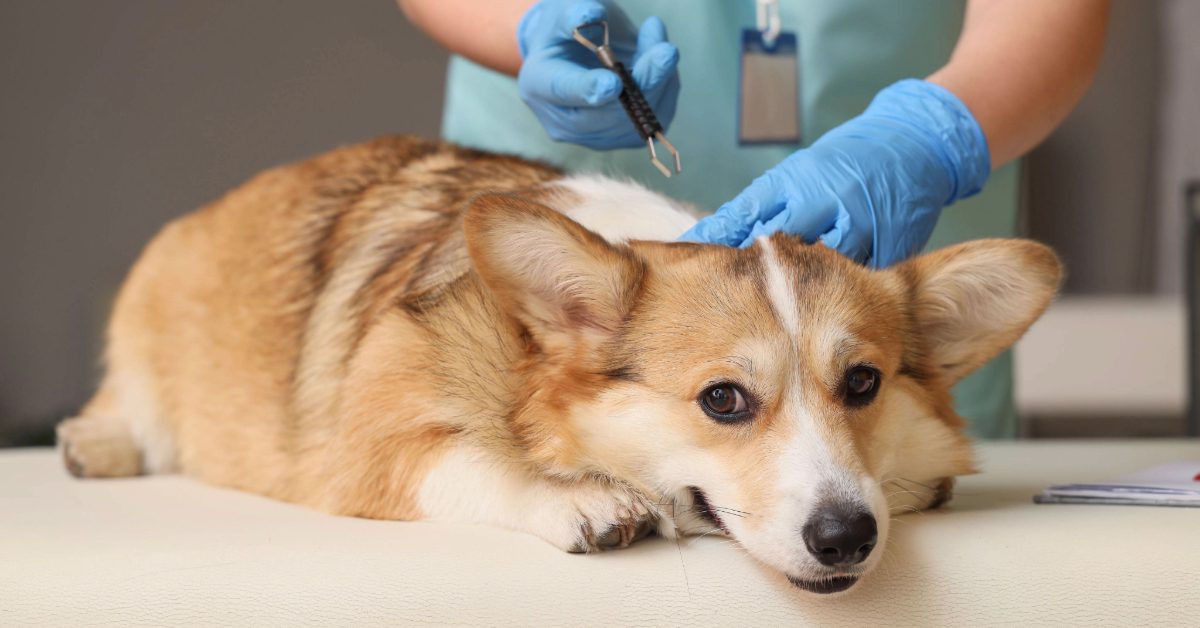
Dog tick prevention is essential for any pet owner whose dog spends time outdoors, since ticks are common carriers of serious diseases that can affect both dogs and the people who live with them. If you’ve found a tick on your dog, or you’re simply trying to stay ahead of tick season, understanding the right approach to dog tick treatment can make all the difference in keeping your pet safe and healthy year-round. From safe removal techniques to long-term prevention strategies, having a clear plan matters more than reacting after the fact. At Countryside Animal Hospital in Covington, GA, we help pet owners navigate dog tick treatment throughout the year, since Georgia’s warm climate keeps ticks active for much of it.
Understanding the Risks of Tick Exposure
Before discussing dog tick treatment options, it helps to understand why ticks pose such a significant health risk in the first place. Ticks are small parasites that attach to a dog’s skin and feed on blood, and during this process, they can transmit a range of dangerous diseases. In Georgia, dogs are commonly exposed to several tick species, including the American dog tick, the lone star tick, and the blacklegged tick, each of which can carry different pathogens and pose slightly different risks depending on the region and season.
Diseases Ticks Can Transmit
Diseases associated with tick exposure include Lyme disease, ehrlichiosis, anaplasmosis, and Rocky Mountain spotted fever, all of which can cause symptoms ranging from mild, temporary lethargy to severe, long-term joint and organ damage if left untreated. Because these illnesses aren’t always immediately obvious, prevention is critical to decrease the risk your dog contracts one of these diseases. Like any sickness, early intervention often leads to a much better outcome for the patient, so it is critical you carefully monitor your pet for slight changes rather than wait for more severe symptoms to appear.
Where Ticks Are Most Common
Ticks thrive in wooded areas, tall grass, and leaf litter, making dogs that spend time hiking, playing in the yard, or exploring rural areas especially vulnerable to exposure. Even dogs that mostly stay in fenced, well-maintained yards can pick up ticks, since these parasites can be carried in by other animals or blown in on the wind during certain seasons. This is part of why dog tick treatment and prevention should be considered a year-round priority rather than something reserved for dogs with frequent outdoor adventures.
How to Safely Remove a Tick
If you discover a tick on your dog, prompt and proper removal is the first step in effective dog tick treatment. Acting quickly reduces the risk of disease transmission, since many tick-borne pathogens require a period of attachment, often 24 to 48 hours, before they can be passed to your dog, which makes early detection and removal genuinely important.
To remove a tick safely, use fine-tipped tweezers or a specialized tick removal tool, and grasp the tick as close to your dog’s skin as possible. Pull upward with slow, steady pressure, avoiding any twisting or jerking motion that could cause the tick’s mouthparts to break off and remain embedded in the skin. After removal, clean the area with an antiseptic and monitor it closely over the following days for any signs of irritation, swelling, or infection at the bite site.
Steps for safe, effective tick removal include:
- Using clean, fine-tipped tweezers or a dedicated tick removal tool designed specifically for this purpose
- Grasping the tick close to the skin without squeezing its body, which can force infectious fluids back into the wound
- Pulling straight upward with steady, even pressure rather than twisting
- Disinfecting the bite area thoroughly after removal and keeping an eye on it over the following week
It’s important to avoid folk remedies like burning a tick off or coating it in petroleum jelly, as these methods are ineffective and can actually increase the risk of disease transmission by irritating the tick before removal. Stressing or agitating an attached tick can cause it to release more saliva into the bite site, which raises the likelihood of pathogen transmission rather than lowering it in any meaningful way. If you’re ever uncertain about how to safely handle a tick, our veterinary team at Countryside Animal Hospital can walk you through the process or remove it for you during a quick visit.
Long-Term Prevention Strategies
Effective dog tick treatment goes well beyond removing individual ticks after the fact. Long-term prevention is the most reliable way to protect your dog, particularly in a climate like Georgia’s. Here ticks remain active for the majority of the year rather than during a short seasonal window, unlike colder regions where a hard winter naturally interrupts the tick life cycle.
Preventive Products and Medications
Veterinarians typically recommend to use prevention all year long. These products come in several forms including oral medications, topical treatments, and tick collars. Each option works a bit differently, and your veterinarian can help determine which product best fits your dog’s lifestyle, health history, and level of outdoor exposure. Consistency matters significantly with these products, since gaps in protection create windows of vulnerability that ticks can quickly take advantage of, especially during peak activity months.
Yard and Environmental Management
Beyond medication, environmental management plays a meaningful, practical role in dog tick treatment as well. Keeping grass trimmed short, removing leaf litter and brush piles, and creating a barrier between wooded areas and play spaces can all reduce the number of ticks your dog encounters in the first place. Many pet owners are surprised at how much of a difference simple, consistent yard maintenance can make when combined with a reliable preventive product.
Additional useful prevention strategies include:
- Checking your dog thoroughly for ticks after outdoor activities, paying close attention to the ears, armpits, and between the toes
- Avoiding tall grass and dense brush during walks when possible, especially in wooded or overgrown areas
- Maintaining a tidy yard to reduce tick habitat and limit exposure near the home
- Scheduling regular veterinary checkups to monitor for tick-borne illness and discuss any changes in your dog’s health
Recognizing Tick-Borne Illness
Even with diligent, consistent dog tick treatment and prevention, it’s still possible for a dog to develop a tick-borne illness, which is why knowing the warning signs matters just as much as prevention itself. Symptoms of tick-borne disease can appear days or even weeks later after a bite, and they often overlap noticeably with symptoms of other conditions, making veterinary evaluation important for an accurate diagnosis rather than assuming symptoms will resolve on their own.
Watch closely for symptoms such as unexplained lethargy, reduced appetite, joint pain or stiffness, fever, and swollen lymph nodes. If your dog shows any of these signs after a known tick exposure, or even without one, contacting your veterinarian promptly allows for earlier diagnosis and more effective treatment, since many tick-borne illnesses respond well when caught in their earlier stages.
Keeping Your Dog Protected Year-Round
Dog tick treatment is an ongoing responsibility for pet owners in tick-prone regions like Georgia, but it doesn’t have to be complicated once you have a clear, consistent plan in place. Combining safe removal techniques, consistent year-round prevention, and regular veterinary care gives your dog the best possible protection against tick-borne illness. Staying proactive rather than reactive makes a meaningful difference in your dog’s long-term health, comfort, and overall quality of life. If you have questions about dog tick treatment or want to discuss the best prevention plan for your pet, call (770) 788-7387 or book an appointment online. Our team at Countryside Animal Hospital in Covington, GA is here to help you every step of the way.
Recent Posts
About Us
Get expert pet care tips, health insights, and heartwarming stories from the Countryside Animal Hospital blog. We love helping pets live happier, healthier lives!