
Tips to Keeping Your Cat’s and Dog’s Ears Healthy
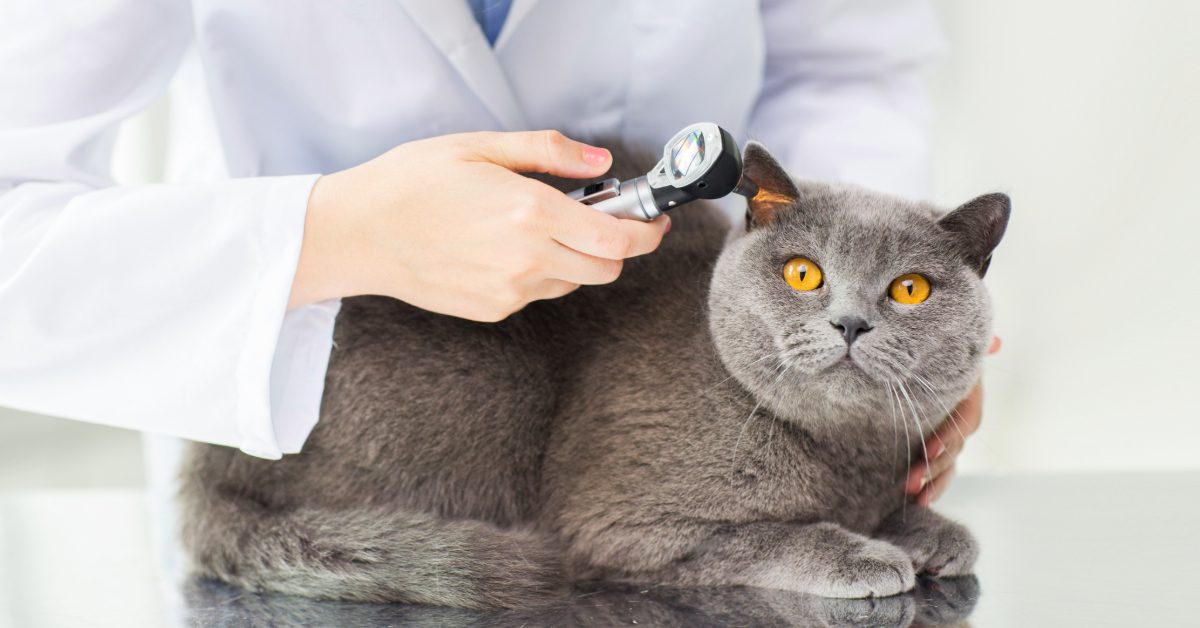
Ear health is an important part of caring for your pet, yet it is often overlooked. Cats and dogs rely heavily on their hearing and balance, so maintaining clean and healthy ears plays a major role in their overall wellbeing. When ear issues go unnoticed, they can lead to infections, discomfort, and long term health problems. Fortunately, with a few simple habits and regular monitoring, pet owners can help keep their pets comfortable and reduce the risk of ear problems. Below are several practical tips to help maintain healthy ears for both cats and dogs.
Check Your Pet’s Ears Regularly
One of the easiest ways to protect your pet’s ear health is to check their ears on a regular basis. This simple habit allows you to notice early changes that may indicate irritation or infection. Healthy ears should appear clean and pale pink with minimal wax buildup. There should be no strong odor, swelling, or discharge. If you notice redness, excess wax, scratching, head shaking, or a foul smell, these can be signs of a potential ear problem that should be evaluated by your veterinarian at Countryside Animal Hospital.
Making ear checks part of your routine grooming schedule also helps your pet become comfortable with having their ears handled. If you ever notice unusual changes or are unsure what is normal, it is always best to have your veterinarian take a closer look. If you have concerns about your pet’s ear health, the team at Countryside Animal Hospital is happy to help. Call us at (770) 788-7387 or request an appointment to have your pet’s ears examined by a veterinary professional.
Understanding Ear Infections
Ear infections are one of the most common ear problems seen in dogs and cats. These infections can be caused by bacteria, yeast, allergies, trapped moisture, or underlying skin conditions. Dogs with floppy ears or pets that swim frequently may be more prone to infections because their ear canals can trap moisture and debris.
Common signs of an ear infection include redness, swelling, discharge, odor, frequent scratching, and head shaking. Some pets may also become sensitive or painful when their ears are touched. Ear infections rarely resolve on their own and typically require veterinary treatment. If left untreated, infections can worsen and may eventually affect deeper parts of the ear, which can lead to more serious complications.
How Ear Cytology Helps Diagnose Problems
When a pet shows signs of an ear infection, veterinarians often perform a diagnostic test called an ear cytology. This simple and painless test helps determine exactly what is causing the problem.
During an ear cytology, your veterinarian collects a small sample of debris from the ear canal using a swab. The sample is placed on a microscope slide and examined to identify bacteria, yeast, inflammation, or parasites.
This information helps your veterinarian choose the most effective treatment. For example, bacterial infections and yeast infections require different medications. Performing an ear cytology allows for targeted treatment rather than guessing which medication may work best.
Ear cytology is a quick procedure that can often be completed during your pet’s visit and provides valuable information for diagnosing ear problems accurately.
Ear Mites and Other Parasites
Ear mites are tiny parasites live in the ear canal and feed on wax and skin oils. Ear mites are especially common in kittens, young cats, and pets that spend time outdoors or around other animals. Pets with ear mites often scratch their ears frequently and may shake their heads. You might also notice dark debris inside the ear that resembles coffee grounds. This material is a mixture of wax, mite waste, and skin debris.
Ear mites are highly contagious between animals, so early treatment is important to prevent the spread to other pets in the household. Fortunately, ear mites can usually be treated effectively with prescription medications from your veterinarian. If you suspect ear mites or notice unusual debris in your pet’s ears, call (770) 788-7387 to schedule an appointment at Countryside Animal Hospital so your pet can be properly diagnosed and treated.
Keep Ears Clean but Do Not Overclean
Cleaning your pet’s ears occasionally can help remove dirt and wax buildup. However, it is important not to clean too often. Overcleaning can irritate the ear canal and may lead to additional problems.
For many dogs, ear cleaning is only necessary when debris or wax buildup is visible. Some dogs may need cleaning every few weeks, while others may rarely need it at all. Factors such as breed, ear shape, allergies, and activity level can affect how often ears should be cleaned.
Cats typically require even less ear cleaning unless there is a noticeable buildup or a medical condition present.
When cleaning your pet’s ears, always use products specifically designed for pets. Avoid using cotton swabs deep inside the ear canal because they can push debris further inside and potentially cause injury.
Keep Ears Dry After Baths and Swimming
Moisture trapped inside the ear canal can create an ideal environment for bacteria and yeast to grow. Dogs that frequently swim or receive regular baths may be at higher risk for ear infections.
After your pet gets wet, gently dry the outer ear using a soft towel. For dogs that swim regularly, your veterinarian may recommend ear cleaning products that help dry the ear canal.
If your dog frequently swims or struggles with recurring ear issues, scheduling an exam can help determine the best preventative care plan. Our veterinary team can recommend safe products and cleaning routines tailored to your pet’s needs.
Schedule Regular Veterinary Checkups
Routine veterinary visits are an important part of maintaining ear health. During a wellness exam, your veterinarian will examine your pet’s ears and identify any early signs of infection, mites, or inflammation. Some ear issues may not be visible to pet owners but can be detected during a professional examination. Regular checkups ensure that small problems are treated early and do not progress into more serious conditions. If it has been a while since your pet’s last wellness visit, this is a great time to schedule an appointment. Call Countryside Animal Hospital at (770) 788-7387 or request an appointment online and our team will be happy to help keep your pet healthy from nose to tail.
Healthy Ears Mean a Healthier Pet
Keeping your cat’s and dog’s ears healthy does not require complicated routines. Regular observation, gentle cleaning when needed, and routine veterinary care can go a long way in preventing ear problems.
By paying attention to your pet’s ears and addressing issues early, you can help ensure they remain comfortable, active, and happy for years to come.
If you ever notice signs of ear discomfort or simply want guidance on proper ear care, the team at Countryside Animal Hospital is here to help.
Frequently Asked Questions
How often should I clean my pet’s ears?
The frequency depends on your pet’s breed, lifestyle, and overall ear health. Many dogs benefit from ear cleaning every few weeks, while others may only need cleaning when buildup is present. Cats usually require less frequent cleaning unless recommended by your veterinarian.
What are the signs of an ear infection in pets?
Common signs include redness, unpleasant odor, discharge, head shaking, scratching at the ears, or sensitivity when the ear is touched. If you notice these symptoms, schedule a veterinary appointment.
What is an ear cytology?
An ear cytology is a diagnostic test where a veterinarian collects a small sample from the ear canal and examines it under a microscope. This test helps identify bacteria, yeast, mites, or inflammation so the correct treatment can be prescribed.
Can ear mites spread to other pets?
Yes. Ear mites are highly contagious between animals. If one pet in the household has ear mites, other pets may also need to be checked and treated by your veterinarian.
Recent Posts
About Us
Get expert pet care tips, health insights, and heartwarming stories from the Countryside Animal Hospital blog. We love helping pets live happier, healthier lives!