
How Many Teeth Do Dogs Have?
Written by Dr. Coval
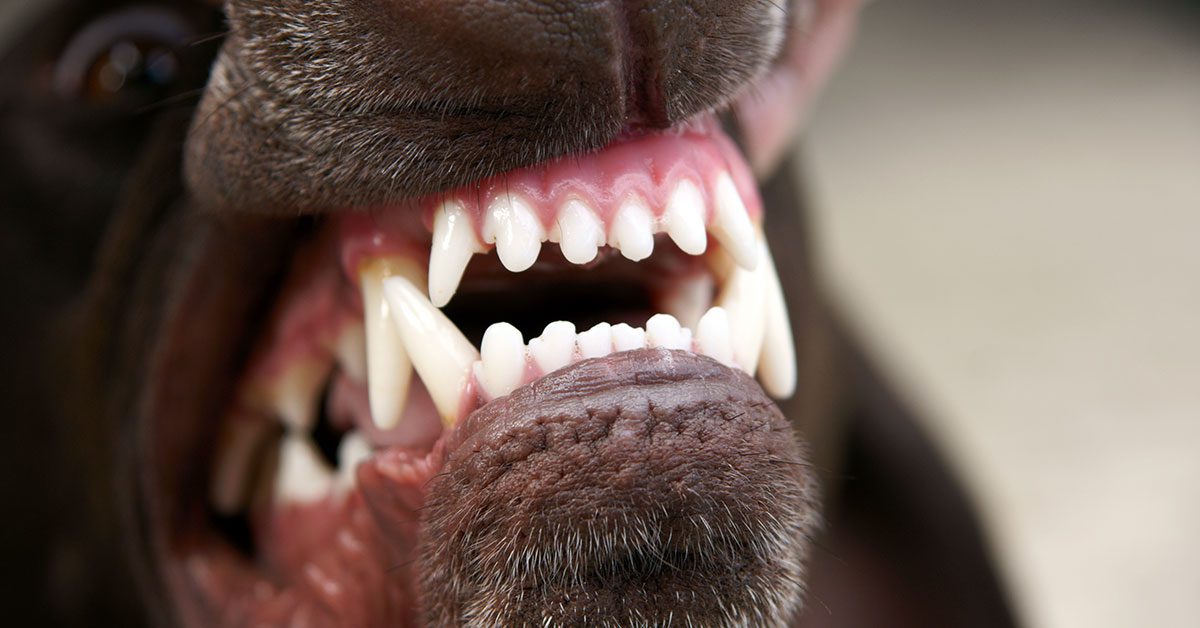
The total number of teeth a dog has depends entirely on their stage of development, as they transition from sharp puppy teeth to a full set of adult permanent teeth. Adult dogs typically have 42 permanent teeth, which is significantly more than the 32 teeth found in the average human adult. Puppies, on the other hand, begin their lives with 28 deciduous teeth, often referred to as “needle teeth” due to their impressive sharpness. These temporary teeth eventually fall out to make room for the larger, more robust permanent structures that a dog will use for the rest of its life.
Understanding the number of teeth a dog has is the first step in maintaining their overall health and preventing painful dental diseases. At Countryside Animal Hospital in Covington, GA, we emphasize that dental hygiene is just as important for your furry friends as it is for you.
Understanding the Number of Teeth a Dog Has at Every Stage
When discussing the number of teeth a dog has, we must distinguish between the developmental phases of a canine’s life. Puppies are born without any visible teeth, but their primary “milk teeth” begin to erupt through the gums around three to four weeks of age. By the time a puppy reaches eight weeks old, they should have a complete set of 28 deciduous teeth consisting of incisors, canines, and premolars. Interestingly, puppies do not have molars; these only appear later when the adult teeth begin to emerge.
As the puppy grows, these primary teeth act as placeholders for the permanent set that will eventually take over. This transition is a critical period for oral development, and monitoring the number of teeth a dog has during this time ensures that their bite aligns correctly. Proper alignment is vital for their ability to chew food efficiently and play with their favorite toys without discomfort.
Different Types of Teeth in Dogs and Their Specific Functions
A dog’s mouth is a highly specialized tool where the different types of teeth in dogs each serve a unique and necessary purpose for survival and daily activity. The 42 adult teeth are categorized into four distinct groups: incisors, canines, premolars, and molars. The incisors are the small teeth at the front of the mouth used for nibbling, grooming, and scraping meat from bones. Following the incisors are the long, pointed canine teeth, which are designed for grasping, piercing, and holding onto objects firmly. Premolars are located behind the canines and are used for shearing and cutting through tough materials, while the large molars at the back are responsible for grinding down hard food. Each of these different types of teeth in dogs contributes to a functional “scissor bite,” which is the standard for most healthy canine breeds.
The Role of the Carnassial Teeth
Within the category of premolars and molars, dogs possess a specialized pair known as the carnassial teeth. These are the largest teeth in a dog’s mouth, consisting of the fourth upper premolar and the first lower molar. These specific different types of teeth in dogs act like a pair of industrial shears, allowing them to break down bone and tough connective tissue with ease. Because these teeth do so much heavy lifting, they are often the most prone to fractures or heavy tartar accumulation. Protecting these vital teeth through regular professional cleanings is essential for maintaining a dog’s ability to eat a balanced diet.
Is It Normal for Dogs to Lose Teeth During Their Lifetime?
Pet owners often find themselves asking, “is it normal for dogs to lose teeth?” and the answer depends heavily on the animal’s age. During the puppy stage, it is perfectly normal and expected for dogs to lose teeth as their permanent replacements push through the gums. This process usually begins around the age of four months and is typically completed by the time the dog is seven months old. You might find small, rice-sized teeth on the floor or in your dog’s bedding, or you may notice a small amount of spotting on their chew toys during this time.
However, once a dog has reached adulthood, losing a tooth is never considered a normal or healthy occurrence. If an adult dog loses a tooth, it is usually a sign of advanced periodontal disease, physical trauma, or underlying systemic health issues that require professional attention.
Signs of Dental Distress in Adult Dogs
Because adult dogs should never lose teeth spontaneously, owners must be vigilant for signs of oral discomfort or disease. While the physical loss of a tooth is an obvious red flag, other symptoms often precede the actual loss of dental structures. If you notice any of the following, your pet may be experiencing a dental emergency:
- Persistent bad breath that does not improve with brushing.
- Visible redness, swelling, or bleeding along the gum line.
- Reluctance to eat hard kibble or dropping food while chewing.
- Excessive drooling or pawing at the side of the mouth.
- Loose or discolored teeth that appear yellow, brown, or gray.
Impact of Breed on Dental Longevity
It is also important to note that certain breeds are more predisposed to dental issues than others, which can influence whether dogs lose teeth prematurely. Small and toy breeds, such as Chihuahuas, Yorkies, and Pugs, often have crowded mouths because they have the same number of teeth as large dogs but much smaller jawbones. This crowding creates tiny pockets where bacteria and plaque can thrive, leading to rapid decay if not managed. Brachycephalic (flat-faced) breeds also face unique challenges with tooth alignment that can contribute to early tooth loss. Knowing your dog’s breed-specific risks allows you to be more proactive in their dental care routine.
Maintaining Your Dog’s Smile in Covington, GA
Proper dental care is a cornerstone of preventative medicine, and understanding how dogs lose teeth to disease can help you prevent it. Regular brushing at home is the gold standard for maintenance, but it cannot replace the deep cleaning provided by a professional veterinary team.
At Countryside Animal Hospital, we provide comprehensive oral examinations to count the number of teeth a dog has and ensure each one is healthy and functional. During these visits, we can identify hidden problems beneath the gum line that are not visible to the naked eye. By addressing plaque and tartar before they cause irreversible damage, we help ensure your pet keeps their full set of 42 teeth for as long as possible. A healthy mouth leads to a healthier heart, liver, and kidneys, as oral bacteria can travel through the bloodstream to other vital organs.
If you have questions about your pet’s dental health or have noticed that your dogs lose teeth unexpectedly, our team is here to help. We take pride in serving the Covington community with compassionate and professional care tailored to your pet’s specific needs. To learn more about canine dental anatomy or to request an appointment online, please call us at (770) 788-7387. Our dedicated staff at Countryside Animal Hospital is ready to partner with you in keeping your dog’s smile bright and their body healthy for years to come.
Recent Posts
About Us
Get expert pet care tips, health insights, and heartwarming stories from the Countryside Animal Hospital blog. We love helping pets live happier, healthier lives!