
Uncategorized
Allergic Otitis in Cats & Dogs
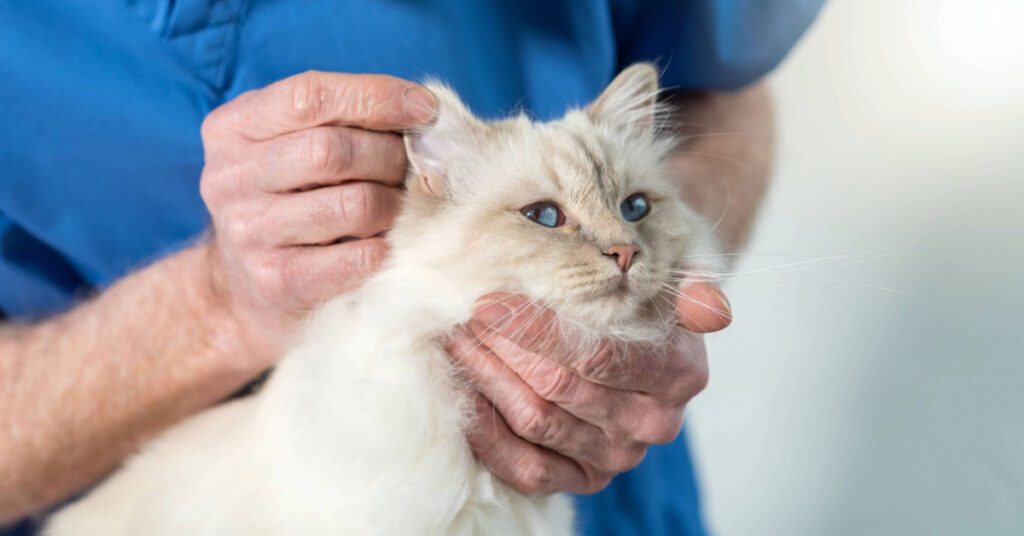
Ear infections are a common issue for pets, but when they keep coming back, allergies are often the underlying cause. Allergic otitis is the inflammation of the ear canal caused by allergic reactions, and it’s one of the most frequent reasons both cats and dogs develop chronic ear problems. For many pets, the ears are…
Read MoreEar Mites in Dogs: What Pet Owners Should Know
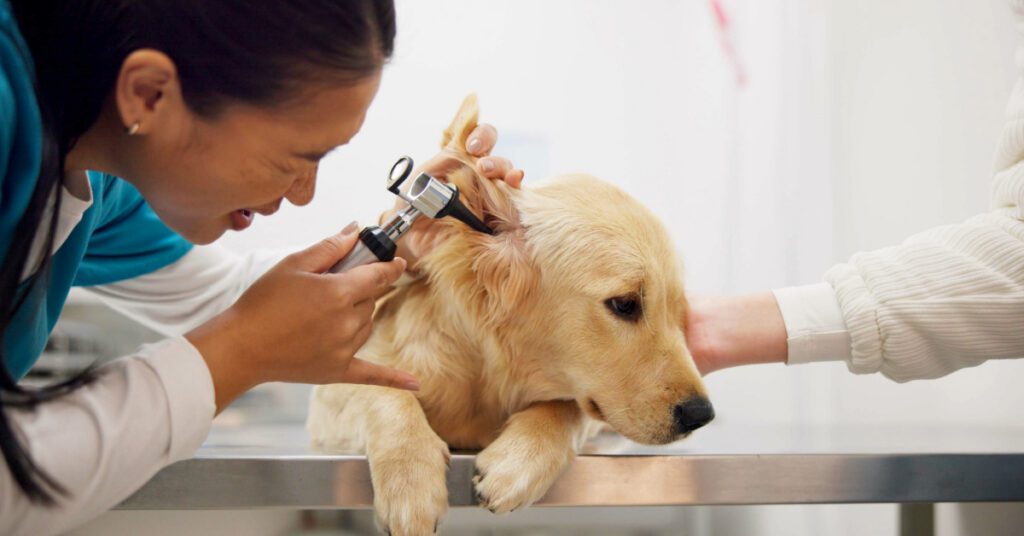
Ear mites are a common cause of ear irritation in dogs, especially in puppies or dogs that spend time around other animals. These tiny parasites can cause significant discomfort if left untreated. Fortunately, ear mites are very treatable when diagnosed early by a veterinarian. Understanding the signs of ear mites and knowing when to seek…
Read MoreTips to Keeping Your Cat’s and Dog’s Ears Healthy
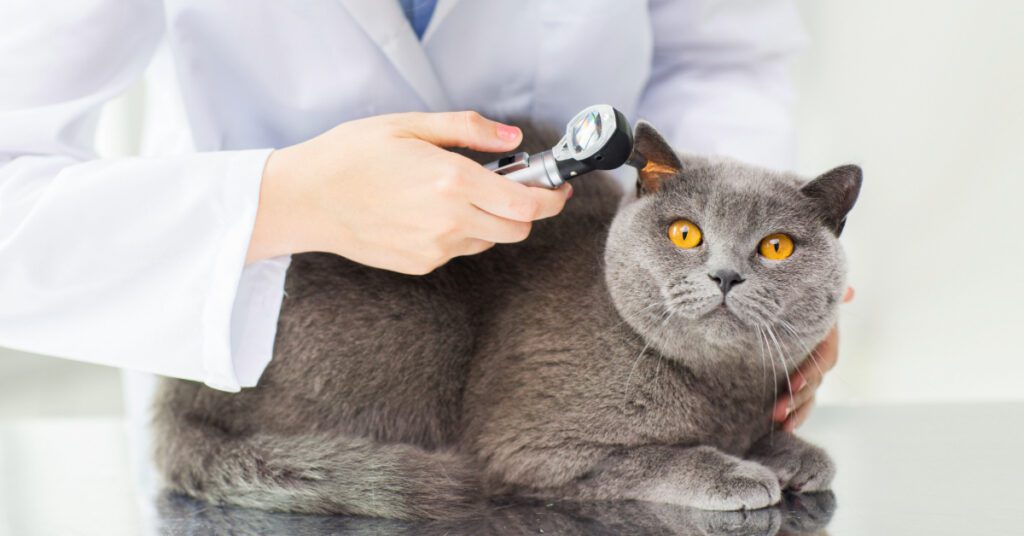
Ear health is an important part of caring for your pet, yet it is often overlooked. Cats and dogs rely heavily on their hearing and balance, so maintaining clean and healthy ears plays a major role in their overall wellbeing. When ear issues go unnoticed, they can lead to infections, discomfort, and long term health…
Read MoreCat Tooth Abscess: Everything You Need to Know
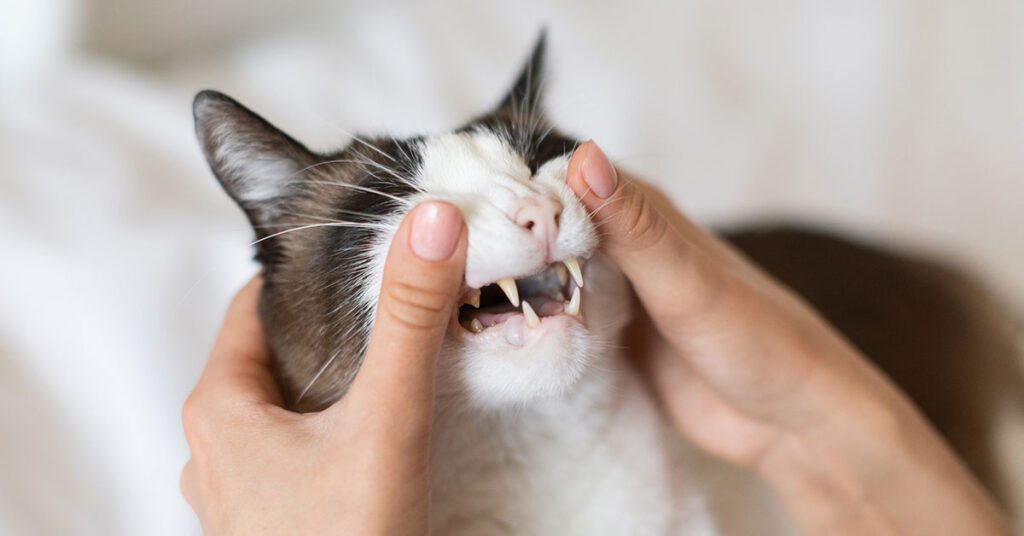
Written by Dr. Childers A cat tooth abscess is a localized collection of pus resulting from a bacterial infection deep within the tooth or the surrounding gum tissue. This painful condition typically develops when bacteria enter the pulp of a tooth through a fracture, deep decay, or periodontal disease, leading to an accumulation of infection…
Read MoreHow Many Teeth Do Dogs Have?

Written by Dr. Coval The total number of teeth a dog has depends entirely on their stage of development, as they transition from sharp puppy teeth to a full set of adult permanent teeth. Adult dogs typically have 42 permanent teeth, which is significantly more than the 32 teeth found in the average human adult.…
Read MoreYeast Infection in Dogs: Causes, Symptoms, and Treatment
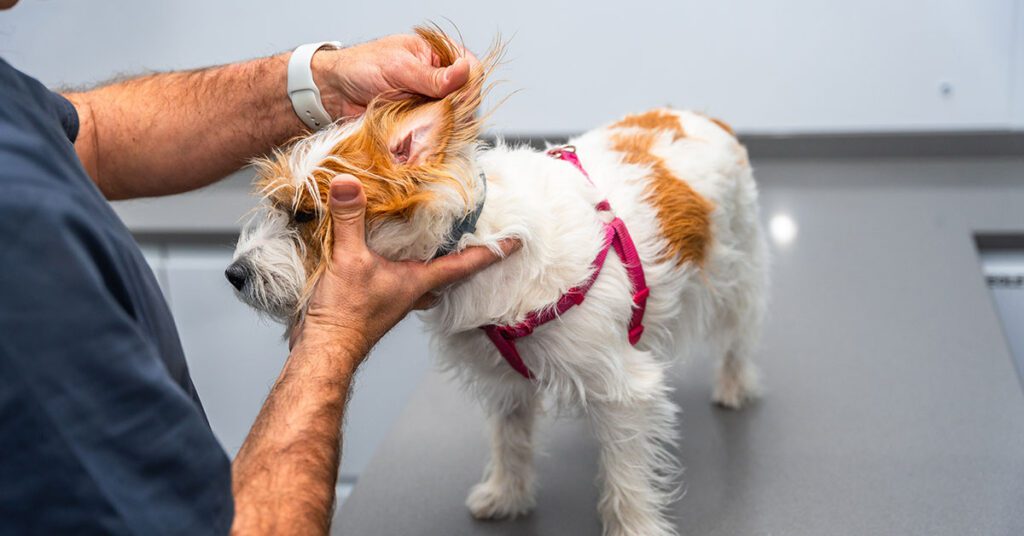
Written by Dr. Childers Yeast infections in dogs develop when naturally occurring yeast organisms multiply beyond healthy levels on the skin or inside the ears. While small amounts of yeast normally live on a dog’s body without causing problems, changes in moisture, skin health, or immune balance allow yeast to overgrow and trigger inflammation. Pet…
Read MoreHow Cool Weather Affects Arthritis in Dogs

As temperatures drop, many pet owners notice their dogs moving more slowly or showing signs of discomfort. Cold weather can make arthritis in dogs more noticeable because the drop in temperature and barometric pressure often leads to joint stiffness and increased pain. Arthritis in dogs is a chronic condition that causes inflammation in the joints,…
Read MoreMy Pet Ate Mistletoe, What Do I Do?

Holiday decorations can make a home feel festive and warm, but some seasonal plants can pose a risk to pets. If your cat or dog has gotten into mistletoe, it is important to understand what steps to take and when to seek veterinary care. At Countryside Animal Hospital, we believe that informed pet owners are…
Read MoreThanksgiving Foods That Are and Aren’t Safe for Pets

As Thanksgiving approaches, our homes fill with the comforting smells of roasted turkey, savory sides, and freshly baked pies. It is a time to gather with loved ones, including our furry family members. While it is tempting to let your pet join in the feast, many traditional holiday dishes contain hidden dangers. At Countryside Animal…
Read MoreGiardia in Dogs: Symptoms, Causes, and Treatment

Giardia in dogs is a common intestinal infection caused by a microscopic parasite known as Giardia duodenalis. This parasite affects the digestive tract, leading to symptoms such as diarrhea, vomiting, and weight loss. While giardia in dogs can be unpleasant, it’s a manageable condition with proper veterinary care and preventive measures. This blog will cover…
Read More