
How Cool Weather Affects Arthritis in Dogs
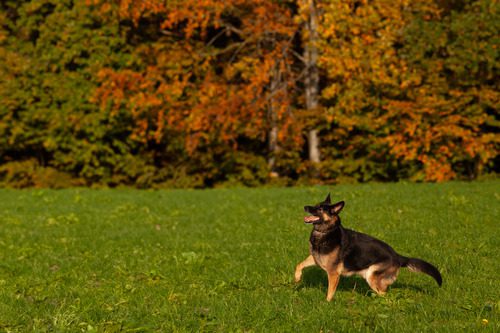
As temperatures drop, many pet owners notice their dogs moving more slowly or showing signs of discomfort. Cold weather can make arthritis in dogs more noticeable because the drop in temperature and barometric pressure often leads to joint stiffness and increased pain. Arthritis in dogs is a chronic condition that causes inflammation in the joints, leading to discomfort and reduced mobility. When chilly weather arrives, dogs with arthritis may struggle more with getting up, walking, or enjoying their usual activities. Understanding how cooler temperatures affect your dog’s joints can help you recognize their needs and make seasonal adjustments that keep them comfortable.
The Connection Between Weather and Arthritis in Dogs
Arthritis in dogs affects the joints, particularly the hips, knees, elbows, and spine. The condition develops when the cartilage that cushions these joints begins to break down, causing bones to rub together. This friction results in pain, inflammation, and reduced flexibility. While arthritis in dogs can occur at any time of year, colder weather tends to make the symptoms worse. As temperatures drop, the tissues around a dog’s joints can contract, increasing stiffness. Changes in barometric pressure can also impact inflamed joints, which may explain why some dogs appear more sore or reluctant to move on cold or damp days. Just as people with arthritis often report feeling worse when it’s cold, dogs experience a similar response.
Why Cold Weather Worsens Joint Pain
The relationship between cool temperatures and arthritis in dogs is complex but widely recognized. Some contributing factors include:
- Reduced circulation: Cold weather can slow blood flow to the extremities, leading to stiffness and muscle tension.
- Lower activity levels: Dogs often move less during colder months, which can weaken muscles that support the joints.
- Environmental changes: Hard, frozen ground and icy surfaces can make walking more difficult and uncomfortable.
Each of these factors can amplify discomfort in dogs with arthritis, making them appear less active or more reluctant to go outside.
Common Signs of Arthritis in Dogs During Cold Weather
When arthritis in dogs flares up in the winter, symptoms often become more noticeable. Pet owners should watch for subtle changes in movement and behavior that signal discomfort. Common signs include:
- Difficulty standing up or lying down
- Hesitation to climb stairs or jump into vehicles
- Limping or favoring one leg
- Decreased interest in walks or playtime
- Whining or showing sensitivity when touched near joints
- Stiffness after sleeping or resting
- Change in appetite
- Anxiety
Behavioral Changes You Might Notice
Beyond physical signs, dogs with arthritis may also show emotional or behavioral changes when their pain increases. They might seem more withdrawn, irritable, or tired. You may also notice your dog spending more time near heat sources or choosing to rest in soft, warm places. These subtle cues can be easy to overlook, but they often indicate that the cold weather is affecting your dog’s arthritis.
The Scope of Osteoarthritis in Older Dogs
Arthritis in dogs becomes significantly more common as dogs age, particularly after the age of eight. Osteoarthritis (OA) is the most frequently diagnosed form of arthritis in dogs and often affects major weight-bearing and movement-related joints. Understanding how prevalent this condition is can help pet owners recognize why stiffness and discomfort tend to increase during cooler months. These statistics also highlight why senior dogs are especially vulnerable to seasonal changes that worsen joint inflammation. Research shows that osteoarthritis affects multiple joints in older dogs, often at the same time. The following statistics illustrate how frequently specific joints are affected in dogs over eight years of age.
Elbow Osteoarthritis
Elbow osteoarthritis is the most common form of joint involvement in older dogs, affecting 57.4% of dogs over the age of eight. The elbow joint experiences repeated stress throughout a dog’s life, particularly in active or large-breed dogs. Over time, this wear can lead to cartilage deterioration and chronic inflammation. Cold weather can intensify stiffness in the elbows, making walking and standing more uncomfortable.
Shoulder Osteoarthritis
Shoulder osteoarthritis affects 39.2% of dogs over eight years old and can significantly limit range of motion. Dogs with shoulder involvement may move more cautiously, resist leash activity, or tire more quickly during walks. Cooler temperatures can increase stiffness in the shoulder joints, especially after periods of rest, making movement slower and more deliberate.
Hip Osteoarthritis
Hip osteoarthritis is present in 35.9% of senior dogs and is commonly associated with difficulty rising, climbing stairs, or maintaining balance. The hip joint supports much of a dog’s body weight, which makes it particularly vulnerable to degenerative changes. Cold weather often increases hip stiffness, leading to noticeable discomfort during early morning or evening activity.
Stifle Osteoarthritis
Stifle, or knee, osteoarthritis affects 36.4% of dogs over the age of eight. This joint plays a key role in stability and movement, so inflammation can interfere with normal walking patterns. Dogs with stifle arthritis may limp intermittently or shift weight away from the affected leg. Cold conditions can increase joint tightness, further limiting mobility.
How Activity Levels Influence Arthritis in Dogs
Activity plays a major role in managing arthritis in dogs, particularly during the colder months. Regular movement helps maintain muscle strength, flexibility, and circulation. However, cold weather often discourages both dogs and owners from staying active. When exercise decreases, muscles that support the joints can weaken, which in turn increases pressure on the affected areas. This cycle of inactivity and stiffness can make arthritis worse over time. Even gentle daily walks can help improve comfort and mobility, as long as they’re adjusted for your dog’s needs and the weather conditions.
Safe Winter Activities for Arthritic Dogs
To keep your dog active during cooler months, consider these low-impact options:
- Short, frequent walks on soft surfaces instead of long, strenuous outings
- Indoor play sessions with gentle movements
- Controlled walks rather than off-leash play to prevent slips or strains
Maintaining a moderate level of activity supports healthy joints and can help minimize flare-ups of arthritis in dogs during cold weather.
The Role of Weight Management in Arthritis
Weight management is another important factor that influences arthritis in dogs. Extra weight adds pressure to already inflamed joints, which can increase discomfort and restrict mobility. During winter, many dogs gain a few pounds because they spend less time outdoors and more time resting indoors. A balanced diet tailored to your dog’s age, breed, and activity level can make a difference in how they feel. If your dog is prone to arthritis, keeping their weight within a healthy range can help reduce the stress on their joints.
How to Support Joint Health Through Nutrition
Certain dog foods and supplements contain ingredients designed to support joint health, such as omega-3 fatty acids, glucosamine, and chondroitin. These nutrients can help maintain cartilage and reduce inflammation. If you’re curious about adding these to your dog’s diet, consult your veterinarian for product recommendations and proper dosages.
Comfort Measures That Help Dogs with Arthritis
When cold weather intensifies arthritis in dogs, small changes at home can make a big difference in their comfort. A warm, supportive environment can help reduce stiffness and make movement easier.
Create a Warm and Supportive Resting Area
Provide your dog with a soft, padded bed placed away from drafts and cold floors. Orthopedic beds can help cushion sore joints and provide even support. Heated beds or pads (made for pets and used safely under supervision) can also provide relief on especially chilly days.
Keep Floors Slip-Free
Hardwood and tile floors can be difficult for dogs with arthritis to navigate, particularly in cold weather. Consider using area rugs or non-slip mats to give your dog better traction. This helps prevent accidental slips that could aggravate joint pain.
Gentle Grooming and Handling
Dogs with arthritis may be more sensitive to touch, especially near their hips, shoulders, or knees. Approach grooming and handling gently to avoid causing discomfort. Keeping nails trimmed also improves mobility, as overly long nails can change how your dog walks and increase joint strain.
How Your Veterinarian Can Help
Veterinarians play a key role in managing arthritis in dogs throughout the year, but especially in colder seasons. They can assess your dog’s condition, identify areas of inflammation, and recommend treatments or therapies to improve comfort. Common veterinary approaches may include pain management strategies, physical rehabilitation, or specialized treatments to support long-term mobility. Early and ongoing care from your veterinarian can help your dog maintain a better quality of life even as arthritis progresses.
If you live in Covington, GA, and notice that your dog seems stiffer or less energetic during cool weather, schedule a visit with the team at Countryside Animal Hospital. Call (770) 788-7387 or request an appointment online to discuss your dog’s joint health and comfort options.
Supporting Your Dog’s Mobility Year-Round
Arthritis in dogs doesn’t disappear when the weather warms up, but cold seasons tend to bring symptoms to the forefront. By recognizing how cool weather affects arthritis in dogs, you can make thoughtful adjustments that help them stay comfortable throughout the year. Whether it’s keeping them active, maintaining a healthy weight, or working closely with your veterinarian, these efforts go a long way toward helping your dog move with ease and enjoy life at every stage. Countryside Animal Hospital provides compassionate, expert care for dogs with arthritis and other mobility concerns. To help your pet feel more comfortable this season, call (770) 788-7387 or request an appointment online today.
Recent Posts
About Us
Get expert pet care tips, health insights, and heartwarming stories from the Countryside Animal Hospital blog. We love helping pets live happier, healthier lives!