
Allergic Otitis in Cats & Dogs
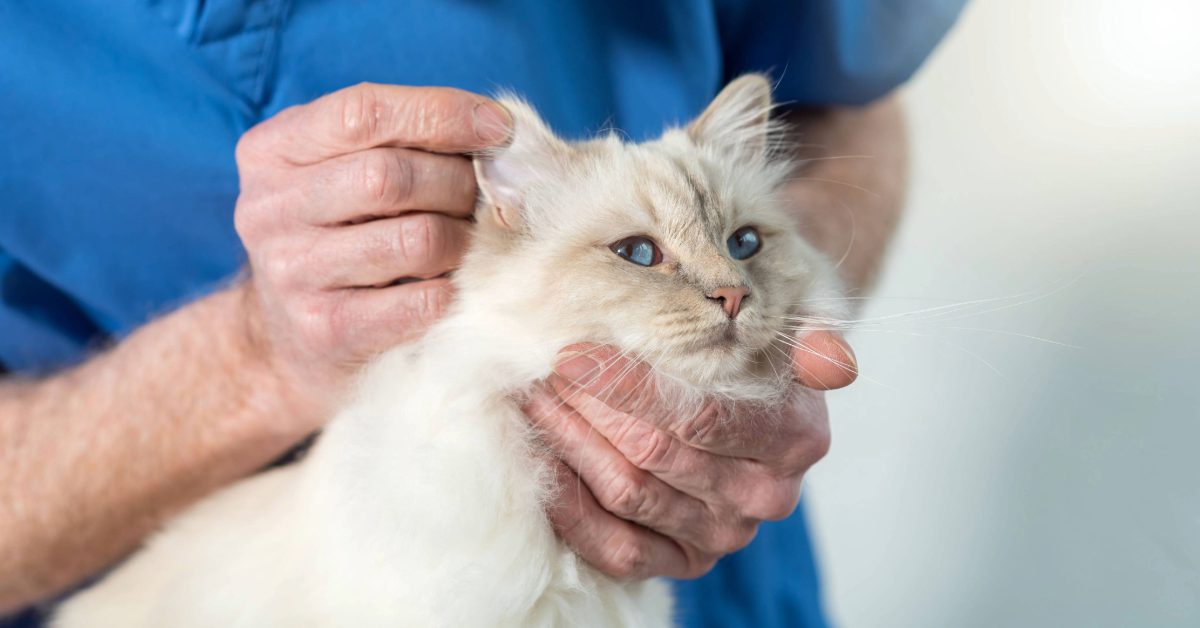
Ear infections are a common issue for pets, but when they keep coming back, allergies are often the underlying cause. Allergic otitis is the inflammation of the ear canal caused by allergic reactions, and it’s one of the most frequent reasons both cats and dogs develop chronic ear problems.
For many pets, the ears are one of the first places allergy symptoms appear. Understanding the signs of allergic otitis and seeking early veterinary care can help prevent recurring infections and keep your pet comfortable.
What Is Allergic Otitis in Pets?
Allergic otitis occurs when allergies trigger inflammation in the ear canal. Just like the skin on the rest of the body, the skin inside the ear can react to allergens. When this happens, the ear canal becomes inflamed, producing excess wax and moisture.
This environment allows bacteria and yeast to grow more easily, which often leads to secondary ear infections. Without proper treatment, the cycle of inflammation and infection can continue, causing recurring discomfort for your pet.
Both cats and dogs can develop allergic otitis, but it is particularly common in dogs with environmental allergies.
Common Causes of Allergic Otitis
Several types of allergies can contribute to ear inflammation in pets.
Environmental Allergies
Environmental allergens are a very common cause of allergic otitis. Pets may react to substances in their surroundings such as:
- Pollen from trees, weeds, and grasses
- Dust mites
- Mold spores
- Household allergens
These allergens can trigger inflammation in the skin and ears, especially during certain seasons.
Food Allergies
Food sensitivities can also lead to ear inflammation. In some pets, chronic ear infections may be the primary sign of a food allergy. Proteins such as chicken, beef, dairy, or grains can sometimes trigger allergic reactions.
Your veterinarian may recommend a special diet trial to determine whether food allergies are contributing to your pet’s ear issues.
Secondary Factors
Once inflammation begins, other problems can make ear infections worse, including:
- Yeast overgrowth
- Bacterial infections
- Excess ear wax buildup
Addressing these secondary infections is an important part of treatment, but the underlying allergy must also be managed to prevent recurring problems.
Symptoms of Allergic Otitis in Cats and Dogs
Pets with allergic otitis may show a wide variety of symptoms. Some of the most common signs to look out for include:
- Frequent head shaking
- Scratching or pawing at the ears or face
- Red or swollen ear canals
- Dark wax or discharge
- Unpleasant odor coming from the ears
- Sensitivity or pain when the ears are touched
- Hair loss or irritation around the ear area
In many cases, both ears are affected. If left untreated, chronic inflammation can lead to thickening of the ear canal and more severe infections. If you notice any of these symptoms, it’s important to have your pet evaluated by a veterinarian as soon as possible.
How Allergic Otitis Is Diagnosed
Diagnosing allergic otitis involves determining both the cause of the ear infection and the underlying allergy.
Your veterinarian will typically begin with a thorough physical examination and ear evaluation. This may include:
- Otoscopic examination of the ear canal
- Microscopic evaluation of ear debris (ear cytology)
- Checking for bacteria, yeast, or parasites
- Allergy assessments or diet trials when needed
These tests help identify the exact cause of the inflammation and guide the most effective treatment plan.
Treatment Options for Allergic Otitis
Treatment for allergic otitis generally focuses on two goals: clearing the infection and controlling the allergy that caused it.
Treating the Ear Infection
Depending on the severity of the infection, treatment may include:
- Medicated ear drops
- Antifungal or antibacterial medications
- Anti-inflammatory medications to reduce swelling
- Professional ear cleaning
In more severe cases, oral medications may be needed to fully resolve the infection.
Managing the Underlying Allergy
Because allergies often cause recurring ear infections, long-term management is essential. Your veterinarian may recommend:
- Allergy medications
- Prescription diets for food sensitivities
- Allergy testing
- Regular ear cleaning routines
With proper management, many pets experience significant relief and fewer ear infections over time.
Preventing Recurring Ear Problems
While not all allergies can be prevented, there are steps pet owners can take to reduce the risk of repeated ear infections.
Helpful prevention strategies include:
- Routine ear checks at home
- Regular ear cleaning as recommended by your veterinarian
- Prompt treatment of allergy symptoms
- Following diet recommendations for pets with food sensitivities
Early intervention is key. Treating minor irritation before it becomes a full infection can make a big difference in your pet’s comfort and ear health.
When to See Your Veterinarian
If your pet is scratching their ears, shaking their head frequently, or developing recurring ear infections, allergic otitis may be the cause. Ear infections can become painful quickly and should always be evaluated by a veterinarian.
The team at here Countryside Animal Hospital is experienced in diagnosing and treating allergic ear disease in both cats and dogs. We work closely with pet owners to identify the root cause of ear problems and develop effective, long-term treatment plans.
Call Countryside Animal Hospital at 770-788-7387 to schedule an appointment or request an appointment on our website.
Published by Dr. Katie Childers
Recent Posts
About Us
Get expert pet care tips, health insights, and heartwarming stories from the Countryside Animal Hospital blog. We love helping pets live happier, healthier lives!