

Ear Mites in Dogs: What Pet Owners Should Know
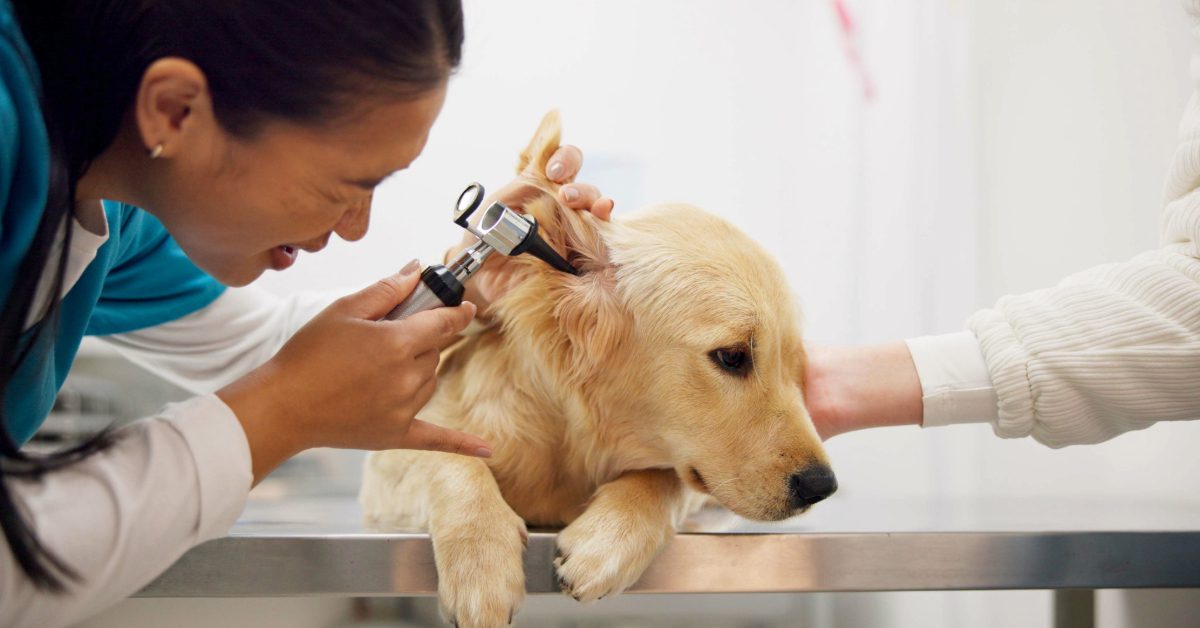
Ear mites are a common cause of ear irritation in dogs, especially in puppies or dogs that spend time around other animals. These tiny parasites can cause significant discomfort if left untreated. Fortunately, ear mites are very treatable when diagnosed early by a veterinarian.
Understanding the signs of ear mites and knowing when to seek veterinary care can help keep your dog comfortable and prevent the spread of these parasites to other pets in your household.
What Are Ear Mites?
Ear mites are microscopic parasites that live inside the ear canal of animals. They feed on wax and skin oils and can cause intense irritation and inflammation. These parasites are highly contagious and can spread quickly through direct contact between animals. Dogs can pick up ear mites from other dogs, cats, or environments where infected animals have been present.
While ear mites are more common in cats, dogs can still become infected, particularly if they live with cats or frequently interact with other pets. If you suspect your dog may have ear mites, our veterinary team at Countryside Animal Hospital can help diagnose and treat the issue. Call (770) 788-7387 to schedule an appointment for your pet.
Signs Your Dog May Have Ear Mites
Ear mites can cause a variety of symptoms, many of which are similar to other ear problems. Paying close attention to changes in your dog’s behavior can help you catch the problem early.
Common signs of ear mites in dogs include:
- Frequent scratching at the ears
- Head shaking or head tilting
- Dark debris inside the ear that resembles coffee grounds
- Redness or irritation in the ear canal
- A strong odor coming from the ears
- Sensitivity or discomfort when the ears are touched
The dark material often seen in the ears is a mixture of wax, mite waste, and skin debris. Because these symptoms can also occur with ear infections, it is important for your veterinarian to examine the ears to determine the exact cause.
How Veterinarians Diagnose Ear Mites
Diagnosing ear mites typically involves a physical examination and a diagnostic test called an ear cytology.
During an ear cytology, your veterinarian gently collects a small sample of debris from the ear canal using a swab. The sample is placed on a microscope slide and examined for mites, bacteria, yeast, and signs of inflammation.
Ear mites themselves are tiny but can usually be seen under the microscope. Identifying the presence of mites allows your veterinarian to confirm the diagnosis and recommend the appropriate treatment.
This diagnostic step is important because many ear conditions share similar symptoms. Accurate testing ensures your dog receives the correct medication and care.
Treatment Approach for Ear Mites
The good news is that ear mites are very treatable once they are properly diagnosed. Treatment often involves medications that kill the mites and relieve irritation in the ear canal. Your veterinarian may recommend ear drops, topical medications, or prescription parasite prevention products that eliminate ear mites. In many cases, the ears will also need to be gently cleaned to remove debris and improve the effectiveness of the medication. Because ear mites spread easily between animals, all pets in the household may need to be evaluated and treated if necessary.
Preventing the Spread of Ear Mites in Dogs
Ear mites spread through close contact between animals, so prevention often involves limiting exposure to infected pets and maintaining good ear hygiene.
If one pet in your household is diagnosed with ear mites, it is important to have your other pets checked as well. Even if they are not showing symptoms, they may still carry the mites and spread them back to other animals.
Routine veterinary exams also play an important role in preventing parasites. Your veterinarian can check your pet’s ears during wellness visits and catch potential problems early.
Why Veterinary Care Is Important
Although ear mites may seem like a minor issue, untreated infestations can lead to more serious complications. Persistent scratching and inflammation can damage the ear canal and may eventually lead to secondary infections. In some cases, severe irritation can even result in wounds or swelling around the ear.
Veterinary care ensures that the mites are completely eliminated and that any secondary infections are treated promptly. If you notice dark debris in your dog’s ears or frequent scratching, do not wait to seek professional care. Call Countryside Animal Hospital at (770) 788-7387 to schedule an appointment so our veterinary team can examine your dog’s ears and provide the appropriate treatment.
Healthy Ears Keep Your Dog Comfortable
Ear mites may be tiny, but they can cause significant discomfort for your dog. Fortunately, with early detection and proper veterinary care, they can be treated quickly and effectively.
Regular ear checks at home, routine veterinary visits, and prompt attention to unusual symptoms can all help protect your dog’s ear health.
If you ever notice signs of ear irritation or unusual debris in your dog’s ears, the team at Countryside Animal Hospital is here to help. Contact us to schedule an appointment and keep your pet feeling their best.
Frequently Asked Questions
Can ear mites spread from pets to people?
Ear mites primarily affect animals and are rarely a problem for humans. However, they spread very easily between pets, especially dogs and cats that live in the same household.
How do dogs get ear mites?
Dogs usually get ear mites through direct contact with another infected animal. Puppies and pets that live with cats are more likely to develop ear mite infestations.
What does ear mite debris look like?
Ear mite debris often appears dark brown or black and resembles coffee grounds. It is made up of wax, skin debris, and mite waste inside the ear canal.
How long does it take to treat ear mites?
With proper veterinary treatment, ear mites can often be resolved within a few weeks. Your veterinarian may recommend follow up care to ensure the mites have been completely eliminated.
Recent Posts
About Us
Get expert pet care tips, health insights, and heartwarming stories from the Countryside Animal Hospital blog. We love helping pets live happier, healthier lives!