

Cat Tooth Abscess: Everything You Need to Know
Written by Dr. Childers
A cat tooth abscess is a localized collection of pus resulting from a bacterial infection deep within the tooth or the surrounding gum tissue. This painful condition typically develops when bacteria enter the pulp of a tooth through a fracture, deep decay, or periodontal disease, leading to an accumulation of infection at the root tip. Because the infection is trapped within a confined space, it creates significant pressure and inflammation, often manifesting as a noticeable swelling on the face or jaw. Understanding the mechanics of a cat tooth abscess is the first step in ensuring your feline companion receives the professional dental intervention necessary to resolve the infection and eliminate discomfort.
What is a Cat Tooth Abscess?
A cat tooth abscess represents a serious dental emergency where bacteria have bypassed the tooth’s protective enamel and reached the sensitive internal structures. When the pulp—the living part of the tooth containing nerves and blood vessels—becomes infected, the body responds by sending white blood cells to the area to fight the invader. This battle results in the formation of pus, which pools at the base of the tooth root, creating a “pocket” of infection. Because the infection is encased in bone and tissue, the pressure continues to build until it eventually seeks a path of least resistance to drain.
In many cases, tooth abscesses in cats occur so quickly that the owner may not notice the internal decay until a physical bulge appears. This swelling often occurs just below the eye for upper teeth or along the jawline for lower teeth, as the infection eats through the surrounding alveolar bone. It is important to remember that a cat tooth abscess is a source of intense, throbbing pain, even if your cat is skilled at hiding their symptoms. Felines are masters of masking discomfort, so a physical abscess often indicates the infection has been brewing for quite some time.
Causes for Tooth Abscesses in Cats
The most common cause for a cat tooth abscess is dental trauma, such as a fractured or chipped tooth that exposes the underlying pulp canal. Cats can easily break a tooth while hunting, playing with hard toys, or even during a fall, providing an immediate highway for oral bacteria to travel into the root. Once the canal is open, the warm, moist environment of the tooth allows bacteria to multiply rapidly without interference. Even a seemingly minor chip can lead to a significant cat tooth abscess if the sensitive interior of the tooth is left vulnerable to the environment.
Another significant contributor to tooth abscesses in cats is advanced periodontal disease, which affects the structures supporting the teeth. As plaque and tartar accumulate under the gumline, they create deep “pockets” where bacteria thrive and eventually destroy the ligament and bone. This chronic inflammation allows bacteria to migrate down the side of the tooth and infect the root tip from the outside in. Without regular professional cleanings and dental monitoring, minor gum inflammation can spiral into a systemic issue or a localized cat tooth abscess.
Common Underlying Factors
- Feline Odontoclastic Resorptive Lesions (FORLs): These are painful “holes” that develop in a cat’s teeth, often leading to root exposure and subsequent infection.
- Bite Wounds: Outdoor cats or those in multi-pet households may suffer facial bites that introduce bacteria directly into the oral tissues.
- Malocclusion: Misaligned teeth can cause certain teeth to wear down prematurely or strike the gums, creating entry points for bacteria.
How Can a Cat Tooth Abscess Be Identified?
Identifying a cat tooth abscess often requires a keen eye, as the early stages of the infection are hidden beneath the gumline. One of the most telling signs is a sudden, localized swelling on the face, which might look like a bump or a “puffy” cheek that wasn’t there the day before. You may also notice your cat pawing at their mouth or showing a sudden reluctance to eat their favorite hard kibble. These behavioral changes are often the first clues that a cat tooth abscess is causing significant distress to your pet.
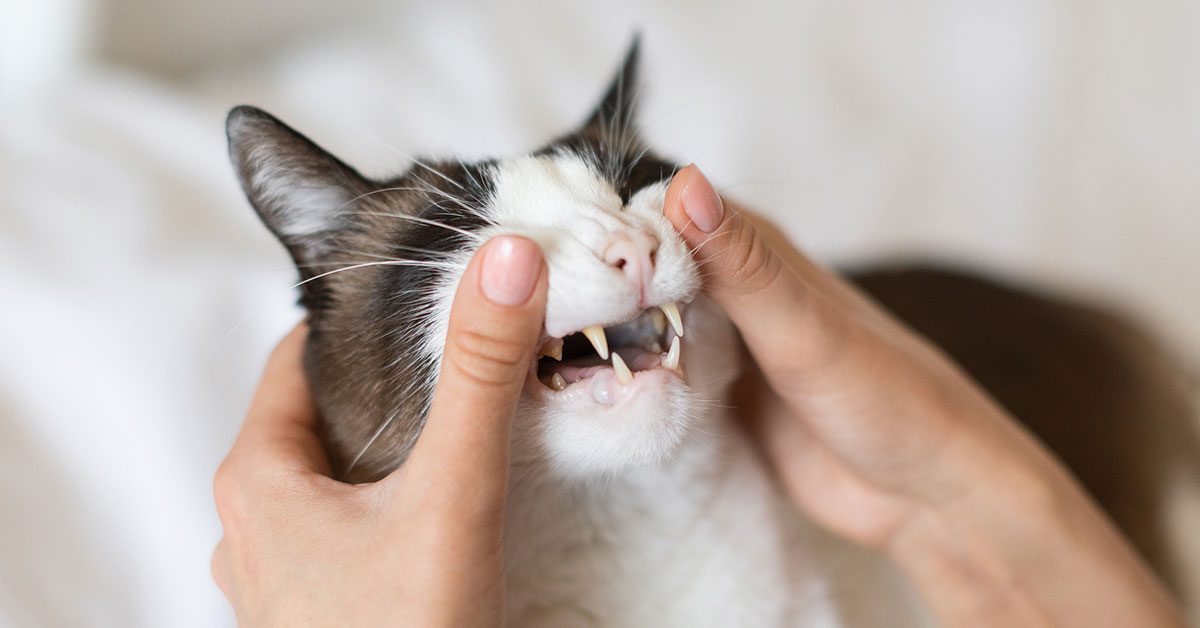
As the infection progresses, you might observe more specific physical indicators during a close inspection of the mouth. If your cat allows you to lift their lip, you may see a small, red pimple on the gums, known as a draining tract, which is where the pus is attempting to escape. Additionally, the breath of a cat with a tooth abscess often has a particularly foul, necrotic odor that differs from standard “kitty breath.” If you suspect any of these signs, calling Countryside Animal Hospital at (770) 788-7387 is the best way to secure a professional evaluation.
Behavioral and Physical Symptoms
- Difficulty Chewing: Dropping food from the mouth or chewing only on one side to avoid the painful area.
- Excessive Drooling: A sudden increase in salivation, sometimes tinged with blood or a yellowish discharge.
- Lethargy and Hiding: Withdrawing from social interaction and spending more time sleeping due to the systemic effects of infection.
Professional Treatment for Tooth Abscesses in Cats
Treating a cat’s tooth abscess requires professional veterinary intervention to address the source of the infection and prevent it from spreading. Since the infection is trapped within the bone and tooth structures, it cannot be resolved through simple cleaning or surface-level care. A veterinarian must perform a thorough oral examination, often utilizing digital dental X-rays to visualize the extent of the bone loss around the root. This diagnostic step is crucial because it confirms whether a cat tooth abscess has compromised the integrity of the surrounding jawbone.
Once the diagnosis is confirmed, the primary goal is to remove the source of the infection, which usually involves a professional surgical extraction of the affected tooth. Extracting the tooth allows the abscessed area to drain and heal properly while removing the bacteria-laden pulp that caused the problem in the first place. Following the procedure, the veterinarian will ensure the surgical site is clean and provide the necessary supportive care to manage the cat’s recovery. Proper treatment of a cat’s tooth abscess ensures that your pet can return to a pain-free life without the risk of the infection returning.
Prevention and Long-Term Dental Health
The best way to manage a cat’s tooth abscess is to prevent one from developing through proactive dental care and regular checkups. Annual veterinary examinations allow for the early detection of chips, fractures, or early-stage periodontal disease before they escalate into an abscessed state. During these visits, the veterinary team can identify high-risk teeth that may benefit from preventative intervention. Maintaining a consistent schedule of professional dental cleanings is the gold standard for avoiding the complications associated with tooth abscesses in cats.
Home care also plays a vital role in keeping your cat’s mouth healthy between professional visits. While not all cats tolerate brushing, utilizing dental-specific diets or treats can help reduce the accumulation of plaque and tartar that leads to infection. It is also wise to monitor your cat’s behavior and conduct occasional “lip flips” to check for redness or swelling in the mouth. If you ever have questions about your cat’s dental health or suspect a cat tooth abscess, please reach out to our team for guidance.
For more information regarding your cat’s dental health or to request an appointment online, please call Countryside Animal Hospital at (770) 788-7387. We are proud to serve the pet owners of Covington, GA, and are dedicated to providing the supportive care your feline friend deserves to stay healthy and happy.
Recent Posts
About Us
Get expert pet care tips, health insights, and heartwarming stories from the Countryside Animal Hospital blog. We love helping pets live happier, healthier lives!