

Yeast Infection in Dogs: Causes, Symptoms, and Treatment
Written by Dr. Childers
Yeast infections in dogs develop when naturally occurring yeast organisms multiply beyond healthy levels on the skin or inside the ears. While small amounts of yeast normally live on a dog’s body without causing problems, changes in moisture, skin health, or immune balance allow yeast to overgrow and trigger inflammation. Pet owners often notice odor, redness, or constant scratching long before they realize a yeast infection may be involved. Because yeast-related infections in dogs can affect comfort, behavior, and overall quality of life, early veterinary evaluation makes a meaningful difference. At Countryside Animal Hospital in Covington, GA, we help pet owners understand how dog yeast infections develop and how professional care supports lasting relief.
Yeast infection in dogs is common, but it is rarely simple. Many cases connect to underlying skin conditions, allergies, or changes in the natural skin barrier. Understanding the causes and warning signs allows pet owners to act sooner and avoid prolonged discomfort. With the right guidance, families can feel more confident about recognizing a yeast infection and knowing when veterinary attention is needed.
What Is a Dog Yeast Infection?
A dog yeast infection occurs when yeast organisms grow faster than the skin or ears can naturally control. These organisms prefer warm, moist environments, which makes areas like ear canals, skin folds, paws, and groin regions especially vulnerable. When yeast multiplies, it irritates the surrounding tissue and triggers inflammation. This reaction explains why dogs with a yeast infection often appear itchy, uncomfortable, or restless.
Yeast infections most often affect the skin and ears, though they can appear in other areas where moisture collects. Dogs with floppy ears, thick coats, or frequent exposure to water face a higher risk because moisture becomes trapped. The body’s natural balance normally keeps yeast in check, but once that balance shifts, symptoms develop quickly. A yeast infection may appear mild at first but can progress without proper veterinary care.
How Yeast Differs From Other Skin Issues
Not every itchy or red area means a yeast infection. Bacterial infections, allergic reactions, parasites, and hormonal conditions can look similar. Yeast infection in dogs often produces a distinct odor, thick discharge, or greasy skin texture. These details help veterinarians distinguish yeast from other causes of irritation. Accurate diagnosis allows treatment to target the true source of discomfort rather than only masking symptoms.
Because yeast-related infections frequently overlap with other skin conditions, professional evaluation remains essential. When pet owners rely only on appearance, they may miss deeper factors that allow yeast to return again and again. Identifying yeast as the problem opens the door to more effective long-term care.
Causes for Yeast Infection in Dogs
Yeast infections in dogs rarely appear without a reason. Several internal and external factors influence whether yeast organisms remain balanced or multiply out of control. Moisture plays a major role, but it is only one part of the picture. Dogs with recurring yeast infection often have an underlying condition that weakens the skin’s natural defenses.
Common contributors include environmental allergies, food sensitivities, hormonal imbalances, and chronic skin inflammation. These issues change the skin’s surface, making it easier for yeast to thrive. Even frequent swimming or bathing can increase risk when moisture remains trapped against the skin or inside the ears. Over time, repeated exposure creates an ideal environment for yeast to flourish.
Yeast infections may also follow long periods of scratching or licking. When the skin barrier becomes damaged, yeast organisms gain easier access to deeper layers of tissue. This explains why some dogs develop persistent hot spots, ear infections, or paw irritation tied directly to yeast overgrowth.
Environmental and Lifestyle Triggers
Several everyday factors influence yeast growth, including:
- High humidity and warm climates
- Frequent swimming or water exposure
- Poor air circulation in thick or folded skin
- Ongoing allergies that inflame the skin
- Excessive licking or chewing behaviors
In Covington, GA, warm weather and humidity can increase the likelihood of yeast-related infections in dogs. Local conditions make it especially important to monitor skin and ear health throughout the year. When owners recognize these risk factors, they can seek veterinary care earlier and reduce the chance of long-term discomfort.
Common Symptoms of Yeast Infection in Dogs
Yeast infections in dogs produce symptoms that often start subtly and grow more noticeable over time. Early signs may include mild itching, faint odor, or slight redness. As yeast continues to multiply, symptoms become harder to ignore. Dogs may scratch constantly, rub their ears, or chew at their paws.
Skin affected by a yeast infection often appears red, thickened, or darker than the surrounding areas. Some dogs develop a greasy or flaky texture, while others show hair loss where inflammation remains active. A yeast infection frequently carries a strong, musty smell that pet owners recognize quickly once they encounter it.
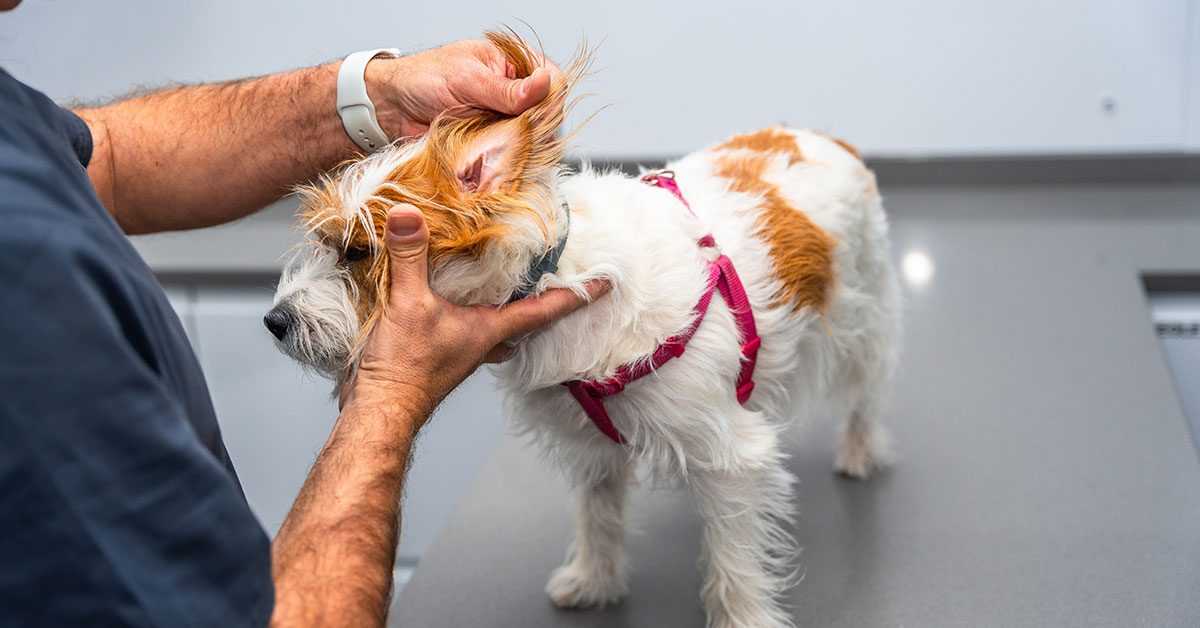
Ear involvement is especially common. Dogs with a yeast infection in the ears may shake their heads, tilt to one side, or resist having their ears touched. Discharge may appear thick or discolored. Because ear infections can affect balance and comfort, prompt evaluation becomes especially important.
Behavioral Changes You May Notice
Yeast infection in dogs does not only affect the skin. It also changes behavior. Many dogs become restless, irritable, or withdrawn due to constant discomfort. Sleep may be affected because itching intensifies at night. Appetite and activity levels can shift as irritation persists.
These changes often signal that the condition has progressed beyond a mild stage. When owners notice both physical and behavioral symptoms, it is a strong indicator that veterinary care is needed.
How Veterinarians Diagnose Yeast Infection
Veterinary diagnosis plays a key role in managing yeast-related infections in dogs. Visual signs alone cannot confirm yeast as the cause, especially when symptoms overlap with other skin conditions. At Countryside Animal Hospital, our team evaluates the skin, ears, and medical history to identify contributing factors.
Microscopic evaluation of skin or ear samples allows veterinarians to confirm the presence of yeast organisms. This process ensures that treatment focuses on the correct problem rather than guessing based on appearance. Diagnosis also helps reveal whether bacteria, inflammation, or other organisms complicate the condition.
Yeast infection in dogs often connects to underlying triggers such as allergies or hormonal shifts. Identifying these factors helps reduce recurrence. Without addressing the cause, yeast may return even after symptoms improve.
Treatment and Ongoing Management
Treatment for yeast-related infections in dogs focuses on restoring balance to the skin and reducing inflammation. Veterinary care addresses both the active infection and the conditions that allowed yeast to overgrow. Each case differs based on severity, location, and medical history.
Professional treatment aims to relieve itching, repair skin barriers, and prevent repeated flare-ups. Ongoing management may include monitoring for allergy patterns, moisture buildup, or behavioral habits that worsen symptoms. When pet owners understand that a yeast infection is often a sign of a larger issue, long-term outcomes improve.
At Countryside Animal Hospital, we partner with pet owners to create care plans that support comfort, healing, and prevention. Our goal is to help each dog return to normal activity without the constant irritation that yeast infections can cause.
Preventing Recurring Yeast Infections
Prevention focuses on maintaining healthy skin and addressing early warning signs. Regular veterinary checkups allow early detection before yeast-related infections in dogs become severe. Monitoring ears, paws, and skin folds helps catch changes quickly.
Owners should also watch for patterns such as seasonal flare-ups, repeated ear irritation, or frequent licking. These trends often point to underlying issues that deserve attention. By staying proactive, families reduce the chance of long-term skin problems.
While yeast infections in dogs may return in some cases, consistent veterinary guidance significantly lowers recurrence risk. Prevention supports both comfort and overall health.
When to Contact Your Veterinarian
If your dog shows persistent itching, odor, redness, or ear discomfort, it is time to seek professional care. Yeast infections rarely resolve without proper treatment and may worsen when ignored. Early evaluation prevents deeper skin damage and prolonged discomfort.
Pet owners in Covington, GA, can contact Countryside Animal Hospital at (770) 788-7387 to discuss concerns or request an appointment online. Our team provides clear guidance, compassionate care, and long-term support for dogs affected by yeast infection. Prompt attention helps your dog feel better faster and reduces the risk of recurring issues.
Recent Posts
About Us
Get expert pet care tips, health insights, and heartwarming stories from the Countryside Animal Hospital blog. We love helping pets live happier, healthier lives!