

Do Dogs Eat Peaches?
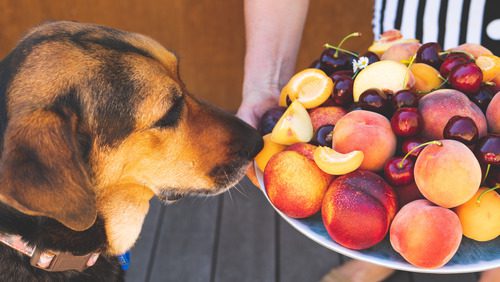
Dogs can eat peaches in moderation, but only the soft, fleshy part and without the pit. The peach itself can be a sweet, vitamin-rich treat, but the pit poses a serious choking hazard and contains cyanide, which is toxic to dogs. If you’re wondering, “Do dogs eat peaches safely?”, the short answer is yes, but with careful preparation and portion control. Peaches are a summertime favorite in Georgia, and it’s natural for pet owners to want to share the taste of the season with their dogs. However, not every fruit that’s healthy for humans is automatically safe for pets. This blog explores everything you need to know before offering your dog a slice of peach: from nutritional value and serving tips to potential risks and safer alternatives.
If you ever have questions about your pet’s diet or whether a certain food is safe, the team at Countryside Animal Hospital in Covington, GA is here to help. Call (770) 788-7387 or request an appointment online to discuss your dog’s nutritional needs.
Are Peaches Safe for Dogs to Eat?
Peaches are safe for dogs to eat when served correctly and in small portions. The soft fruit is rich in vitamins A and C, antioxidants, and dietary fiber, all of which can support your dog’s health. Still, moderation matters. While dogs can enjoy the occasional peach slice, too much can lead to stomach upset due to the fruit’s natural sugar and fiber content.
The real danger lies in the pit or “stone.” Peach pits contain amygdalin, a compound that breaks down into cyanide when ingested. Though a single pit may not always cause toxicity, even a small amount can make your dog sick. The hard pit can also cause choking or intestinal blockage, particularly in small breeds. Always remove the pit and any stem or leaves before sharing this fruit with your pet.
Nutritional Benefits of Peaches for Dogs
When properly prepared, peaches can offer several nutritional benefits for dogs. They’re naturally low in calories and packed with essential nutrients that support immune function and hydration, especially during warmer months.
Vitamins and Antioxidants
Peaches are an excellent source of vitamin A, which supports eye and skin health, and vitamin C, which promotes a strong immune system. These nutrients work together to help your dog’s body fight off everyday stressors and maintain overall wellness. In addition, peaches contain antioxidants, which are compounds that help neutralize free radicals. Free radicals are unstable molecules that can damage cells over time. While your dog’s body produces antioxidants naturally, a diet with antioxidant-rich foods can provide an extra layer of support.
Hydration and Fiber
Since peaches are made up of nearly 90% water, they can help your dog stay hydrated, particularly in Georgia’s summer heat. The fruit’s natural fiber also aids digestion and supports healthy bowel movements. However, too much fiber can lead to loose stools or gas, which is why portion control is key.
Risks of Feeding Peaches to Dogs
Although peaches have some benefits, they also come with risks when not prepared or served properly. Understanding these potential hazards helps you decide when and how to safely share this fruit.
The Danger of Peach Pits
The most significant danger is the peach pit. If swallowed, it can cause choking or become lodged in the digestive tract. Beyond the mechanical risks, peach pits contain cyanogenic glycosides, which release cyanide when chewed and digested. Even a small amount of cyanide can interfere with oxygen flow in the bloodstream, leading to serious health issues.
Mold, Pesticides, and Canned Peaches
Always serve fresh peaches and wash them thoroughly to remove pesticide residue. Moldy fruit should never be offered, as it can contain mycotoxins harmful to dogs. Avoid canned peaches and fruit cups as well—they often contain syrup or added sugars that can upset your dog’s stomach and contribute to weight gain or dental problems.
Sugar and Portion Control
Peaches contain natural sugars that can be excessive for dogs when eaten in large quantities. Consuming too much sugar—natural or otherwise—can lead to digestive upset and, over time, increase the risk of obesity or diabetes. A small slice or two of fresh peach is plenty for most dogs.
How to Safely Prepare Peaches for Your Dog
If you decide to let your dog try a peach, preparation is everything. Taking a few simple precautions helps you share this fruit safely.
- Choose fresh, ripe peaches. Avoid those that are bruised, overly soft, or moldy.
- Wash the fruit thoroughly. Rinse off dirt, pesticides, and other surface residues.
- Remove the pit completely. Never allow your dog to chew or play with it.
- Cut the peach into small, bite-sized pieces. This makes it easier to digest and prevents choking.
- Offer only plain fruit. Skip toppings like whipped cream, sugar, or spices.
You can occasionally add a small piece of peach to your dog’s regular food as a treat. Alternatively, you can freeze peach slices for a refreshing snack on a hot day. Just make sure frozen pieces are small enough to prevent choking.
How Much Peach Can Dogs Eat?
Moderation is key when introducing any new food, especially fruits. Dogs don’t need fruit in their diet, but small portions can be a fun and healthy treat. A few small slices once or twice a week are generally safe for most dogs, depending on their size and health. Large dogs may handle slightly more, while small dogs should have less. Start with a single piece and watch for signs of digestive upset, such as vomiting or diarrhea. If your dog has a history of food sensitivities, diabetes, or digestive issues, it’s best to avoid giving fruit without first discussing it with your veterinarian.
Alternatives to Peaches for Dogs
If you’re unsure whether peaches are the right choice, there are plenty of other fruits that dogs can enjoy in moderation.
Safe Fruit Options
- Blueberries: Low in sugar and full of antioxidants.
- Apples: Offer fiber and vitamins, but always remove the core and seeds.
- Watermelon: A hydrating, low-calorie snack (remove seeds and rind).
- Bananas: Provide potassium and are easy to digest in small amounts.
These fruits can serve as healthy, low-fat treats, especially when cut into small pieces or frozen for an occasional reward.
Fruits to Avoid
Some fruits are toxic or harmful to dogs, even in small amounts. Never feed your dog grapes, raisins, cherries, or avocados. Each contains compounds that can cause serious illness.
When to Contact Your Covington Veterinarian
If your dog accidentally eats a peach pit or shows signs of distress after eating fruit, contact your veterinarian right away. Symptoms such as difficulty breathing, drooling, vomiting, or lethargy require immediate attention. Even if your dog seems fine, professional guidance ensures they receive the right care. Our veterinarians at Countryside Animal Hospital in Covington, GA can assess your pet’s condition and provide the safest next steps. Call (770) 788-7387 or request an appointment online for expert support.
PUBLISHED BY: Dr. Jennifer Coval
Recent Posts
About Us
Get expert pet care tips, health insights, and heartwarming stories from the Countryside Animal Hospital blog. We love helping pets live happier, healthier lives!